Leg Massagers: Types, Who Benefits and Who Should Avoid Them
A leg massager is a device that squeezes, kneads, vibrates or taps the feet, calves and sometimes thighs. The most common types are air compression boots, foot and calf machines with rollers, and handheld vibration or percussion tools. They can make tired, heavy legs feel lighter after long days on your feet or long flights, but they are not suitable for everyone, especially people with circulation problems or a history of blood clots.
The main types of leg massager
| Type | How it works | Covers | Good for |
|---|---|---|---|
| Air compression boots or wraps | Air chambers inflate and deflate in sequence | Feet to thighs, depending on model | Heavy, tired legs after standing or training |
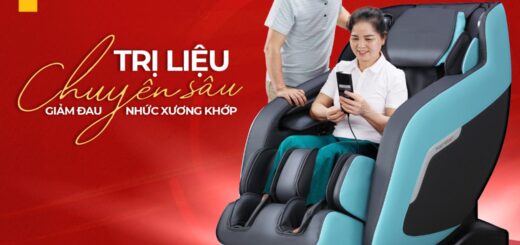
| Foot and calf machine | Rollers and airbags knead feet and calves; some add heat | Feet and lower legs | Evening relaxation, sore feet |
| Handheld vibration massager | Vibrating pad or head moved by hand | Any reachable area | Spot relief, budget option |
| Percussion massage gun | Rapid tapping head | Calves, thighs, glutes | Muscle soreness after exercise |
| Foam or textured roller | You roll your own body weight | Calves, thighs | Manual, no power needed |
If you are choosing between a massage gun and other devices, see our massage gun guide, and for general home devices our massage machine guide.
Why people use them
Standing for long shifts, long-haul flights, heat and dehydration can all leave legs feeling swollen and heavy. Many UAE residents spend hours on their feet in retail, hospitality or healthcare, or travel frequently on long flights. Massage in general can ease the feeling of muscle tightness and help people relax. Sequential compression devices are also used in medicine, but medical-grade devices are prescribed for specific conditions and are different from consumer wellness products.
Consumer leg massagers do not treat varicose veins, cure lymphoedema, remove cellulite or reduce fat, whatever packaging may suggest.
Safety first: who should not use one without medical advice
Do not use a leg massager, and seek medical care, if
- One calf is suddenly swollen, red, warm or painful. This can be a sign of deep vein thrombosis.
- You have shortness of breath or chest pain, especially after a long flight or immobility.
- You have an open wound, skin infection or recent burn on the legs.
Get advice from a doctor before using a leg massager if you:
- Have had deep vein thrombosis or a pulmonary embolism, or take blood thinners.
- Have peripheral arterial disease, heart failure or severe varicose veins.
- Have diabetes with reduced sensation in the feet, as you may not feel if settings are too strong or heat is too hot.
- Are pregnant.
- Have a pacemaker or other implanted device (relevant for some electrical and vibration products).
- Have recently had surgery on the legs or hips.
How to use one sensibly
- Start on the lowest intensity and shortest programme.
- Sit or lie comfortably with legs supported, not crossed.
- Use for 15 to 20 minutes at a time unless the manual says otherwise.
- Stop if you feel numbness, tingling, pain or skin colour changes.
- Keep heat settings low and check the skin afterwards, especially if you have reduced sensation.
A leg massager should leave your legs feeling lighter, not numb, tingling or bruised.
Combining with simple habits
Devices work best alongside basics that help tired legs:
- Drink water through the day, especially in the UAE summer.
- Walk for a few minutes every hour if you sit or stand still for long.
- On flights, flex and point your feet regularly and walk the aisle when allowed.
- Raise your legs for a few minutes in the evening.
- Wear comfortable, supportive shoes for long shifts.
Our five-minute self-massage routine includes calf and foot steps you can do with your hands.
Leg massager or a professional massage?
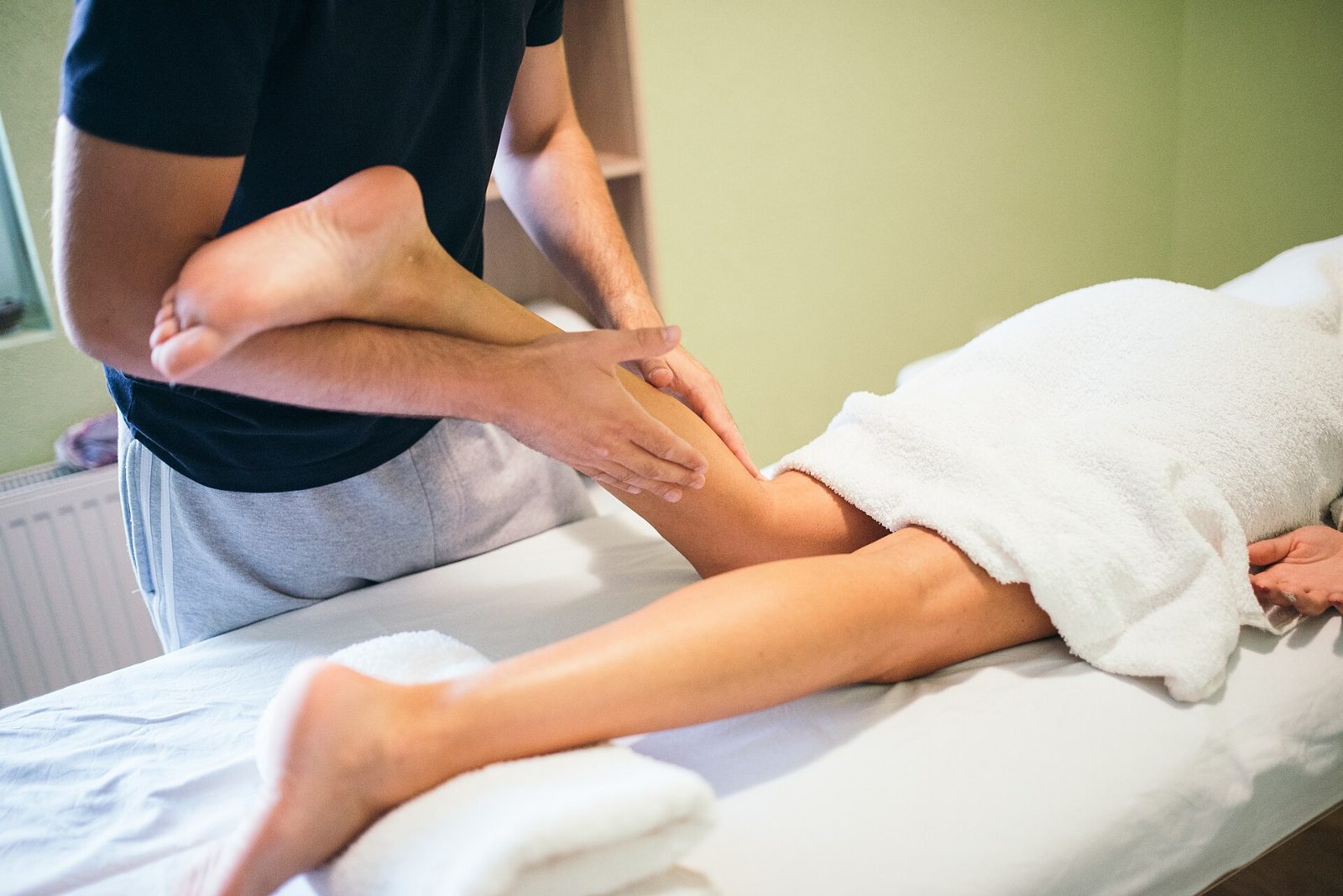
A device repeats the same pattern every time. A trained therapist adjusts pressure as tissue softens, notices areas that are unusually tender, and can work on the hips and lower back, which often contribute to leg discomfort. A therapist will also ask health questions before starting, which a machine cannot do. For people with ongoing leg pain, swelling or cramps, a physiotherapist or doctor is the right first step, since the cause may need its own treatment.
Devices make sense for regular, low-effort relief between sessions or for people who cannot easily get to appointments. Many households in the UAE use both: a compression or foot machine for evenings at home and a professional massage every few weeks. If you are unsure which style of professional massage to book for tired legs, our foot massage guide and sports massage options are a good place to start.
Buying tips for the UAE
What to check before buying
- Fit: compression boots come in sizes, and calf machines have openings that may not fit larger calves. Check measurements.
- Pressure levels: several adjustable levels are better than one strong setting.
- Heat: helpful in cool, air-conditioned rooms, but optional.
- Plug and voltage: confirm it is suitable for UAE sockets and voltage.
- Warranty: buy from a seller who offers a local warranty and spare parts.
- Hygiene: removable, washable liners are useful.
Prices range widely, from simple handheld models to multi-chamber compression systems. Compare features within the same category rather than across types.
Frequently asked questions
Do leg massagers improve circulation?
Massage and compression can temporarily increase blood flow in the area, which may help legs feel less heavy. They do not treat circulation disease. If you have symptoms such as pain when walking or colour changes in the feet, see a doctor.
Can I use a leg massager every day?
Healthy adults can usually use one daily for short sessions at comfortable settings. Follow the manual and stop if you notice soreness or bruising.
Are they safe during pregnancy?
Leg swelling is common in pregnancy, but pregnancy also raises the risk of blood clots. Ask your obstetrician before using any leg massager.
Can a leg massager help after a long flight?
It can help legs feel more comfortable. If one leg becomes swollen, painful or warm after travel, do not massage it; seek medical care.
Sources: NHS: Deep vein thrombosis, Mayo Clinic, Dubai Health Authority
Last reviewed: 2026-11-25. General information only, not medical advice. Please consult a licensed practitioner in the UAE about your own situation.