Neck Massagers: Shiatsu Pillows, Wraps and Handheld Devices, Used Safely
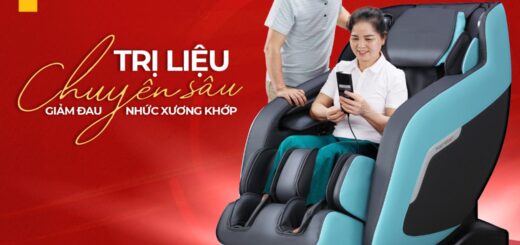
A neck massager is a device designed to knead, vibrate, warm or press on the muscles at the back of the neck and the top of the shoulders. Popular types include shiatsu pillows and wraps with rotating nodes, U-shaped vibration collars, handheld percussion devices and electrical stimulation pads. Used gently for short sessions, they can ease the stiffness that comes from desk work, phone use and long drives. The front and sides of the neck should never be massaged with a device.
Why necks get stiff
The head is heavy, and the neck muscles hold it up all day. Looking down at a laptop or phone increases the load. Long commutes, sleeping in an awkward position, stress and cold air-conditioning blowing on the shoulders all add to the tightness many UAE residents feel by the end of a working day. Most of this is muscular and improves with movement, posture changes and gentle massage.
Neck pain can also come from the joints, discs or nerves of the spine. That is why persistent pain, or pain with other symptoms, should be checked by a doctor or physiotherapist rather than massaged harder.

Types of neck massager
| Type | How it works | Best for | Cautions |
|---|---|---|---|
| Shiatsu pillow or wrap | Rotating nodes knead the muscles, often with heat | Upper back and back of neck while seated | Nodes can be too strong for slim necks; use short cycles |
| U-shaped vibration collar | Vibrating pads sit around the neck and shoulders | Gentle relaxation | Keep pads off the front of the neck |
| Handheld percussion gun | Rapid tapping head | Upper trapezius and shoulder blades | Never on the front or sides of the neck or the spine |
| Electrical stimulation (TENS or EMS) pad | Small currents through skin electrodes | Temporary pain relief for some people | Not for people with pacemakers, epilepsy or during pregnancy without advice |
| Manual tools (hooks, balls) | Your own pressure on specific spots | Targeted knots between neck and shoulder blade | Easy to overdo |
Where it is safe to massage
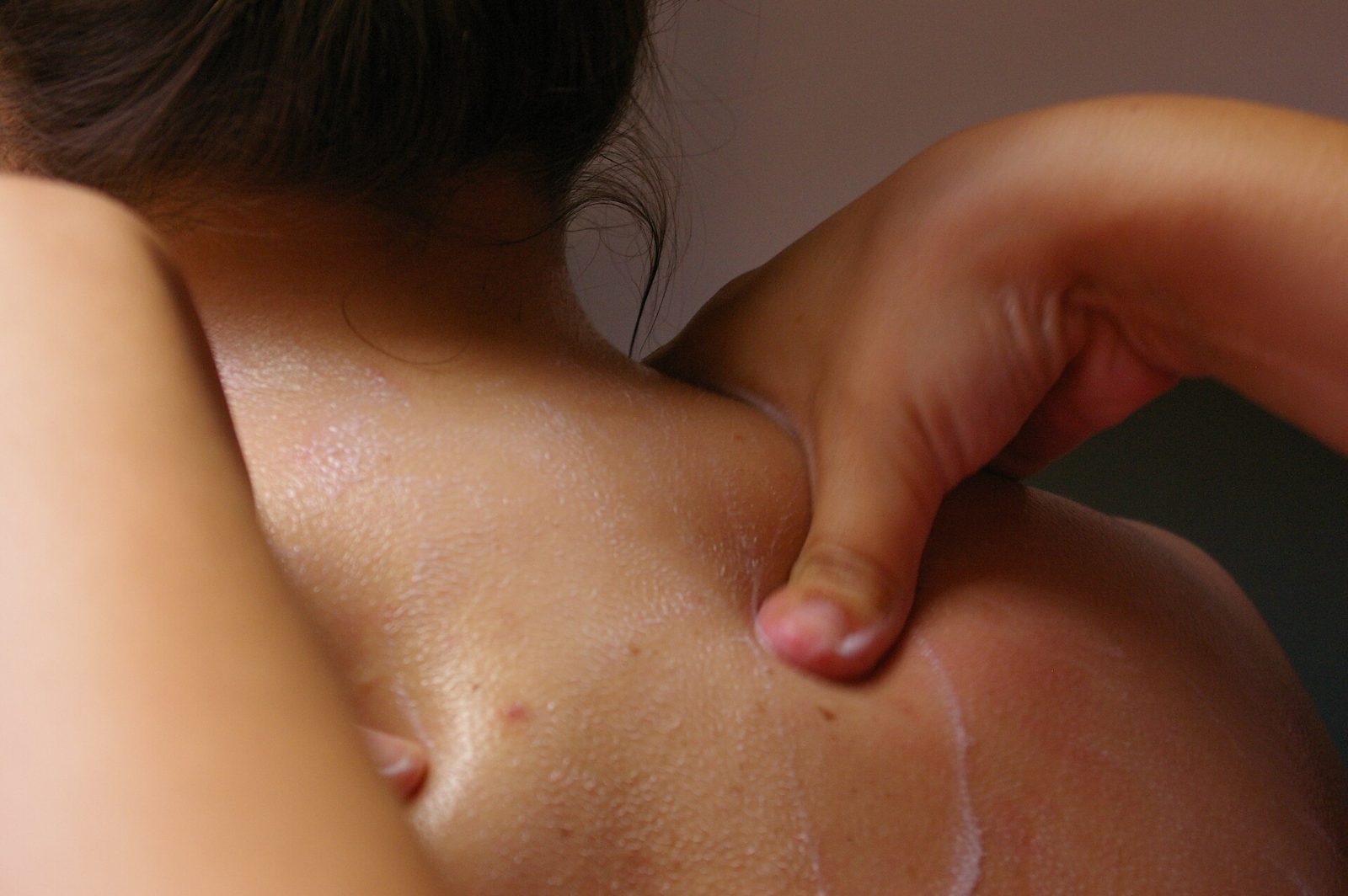
The front and sides of the neck contain the carotid arteries, jugular veins and important nerves. Pressure or vibration there can be dangerous, especially in older people or those with artery disease. Keep devices on the muscular areas at the back of the neck and on the shoulders, and off the bony bumps of the spine.
How to use a neck massager
- Sit upright with your back supported, or lie back on a sofa if the device is designed for that.
- Start on the lowest intensity, with heat off for the first try.
- Limit sessions to around 10 to 15 minutes unless the manual says otherwise.
- Do not fall asleep with a device running.
- Keep cables and straps loose; never wrap anything tightly around the neck.
- Finish with gentle movement: slow shoulder rolls and turning the head side to side.
Our five-minute self-massage routine includes neck and shoulder steps you can do with your hands, which pair well with a device.
If a device leaves you dizzy, tingling or with a headache, stop: that is not a sign it is working.
Who should not use one without advice
Speak to a doctor first if you
- Have had a neck injury, whiplash or neck surgery. See our article on massage therapy for whiplash.
- Have osteoporosis, rheumatoid arthritis affecting the neck, or known disc problems.
- Have a history of stroke, carotid artery disease or blood clotting disorders, or take blood thinners.
- Have a pacemaker or other implanted device (especially relevant for electrical stimulation).
- Are pregnant (relevant for heat and electrical stimulation).
- Have numbness, tingling or weakness in the arms.
Seek urgent medical help for a sudden severe headache, neck pain after a fall or accident, neck stiffness with fever, or weakness, numbness, difficulty speaking or vision changes. These can signal serious conditions that massage must not delay.
Habits that reduce neck tension
- Raise your laptop screen to eye level and use a separate keyboard.
- Hold your phone higher instead of looking down for long periods.
- Take a short break every 30 to 60 minutes to move your neck and shoulders.
- Adjust car seats and headrests so your head is supported on long drives.
- Avoid sitting with cold air-conditioning blowing directly on your neck.
- Check that your pillow keeps your neck level with your spine.
Device or hands-on treatment?
A neck massager is useful for routine stiffness, but it cannot tell why your neck hurts. A physiotherapist can check how your neck moves, test the nerves to your arms and find out whether the problem comes from muscles, joints or posture. They can then combine soft tissue work with exercises that strengthen the deep neck muscles and upper back, which tends to give longer-lasting relief than massage alone.
Consider booking an assessment if neck pain has lasted more than a few weeks, keeps returning, wakes you at night, or limits turning your head while driving. In the UAE, physiotherapists are licensed by the DHA, DOH or MOHAP depending on the emirate, and many insurance plans cover physiotherapy with a doctor’s referral. A professional massage focused on the neck and shoulders is another option for tension that does not need clinical treatment.
Buying tips in the UAE
What to check
- Adjustable intensity and an auto shut-off timer.
- Heat that can be switched off, and a temperature that is warm rather than hot.
- Fit: nodes should sit on muscle, not press into the spine or throat.
- UAE plug type and a local warranty from an authorised seller.
- Washable or wipe-clean covers.
Prices vary from simple vibration collars to multi-mode shiatsu wraps. More nodes and more power are not always better for the neck, where gentle is usually more comfortable.
Frequently asked questions
Are neck massagers safe?
For most healthy adults, yes, when used on the back of the neck and shoulders at low settings for short periods. Avoid the front and sides of the neck.
Can a neck massager help headaches?
Some people find massage eases tension-type headaches. Sudden, severe or unusual headaches need medical assessment, not massage.
How often can I use one?
Short sessions once or twice a day are common. If the area becomes sore or bruised, take a break.
Is heat good for a stiff neck?
Gentle warmth helps many people relax tight muscles. Avoid heat on a fresh injury or swollen area, and never sleep with a heated device on.
Sources: NHS: Neck pain, Mayo Clinic, Dubai Health Authority
Cover photo: Simon James from Darlington, UK, CC BY-SA 2.0. Last reviewed: 2026-11-25. General information only, not medical advice. Please consult a licensed practitioner in the UAE about your own situation.