Hand Massage: A Step-by-Step Routine for Desk Workers, Drivers and Gamers
A hand massage is a short routine of strokes, gentle squeezes and thumb pressure across the palm, fingers, wrist and forearm. It is one of the easiest massages to do on yourself and can ease the tired, stiff feeling that comes from typing, driving, gaming or carrying bags. A few minutes is enough, and it should never hurt.
Why hands get tired
Your hands contain many small muscles, and the muscles that move your fingers start in the forearm. Repeating the same grip or small movements for hours, whether on a keyboard, a phone, a steering wheel or a game controller, keeps these muscles working with little rest. Air-conditioned offices can also make hands feel cold and stiff, which many people in the UAE notice after long days indoors.
A hand massage helps by encouraging the muscles to relax, warming the skin and giving the joints gentle movement. It is also simply soothing. Hand massage is a standard part of many spa manicures and is used in some care settings because gentle touch to the hands is calming.
A five-minute self hand massage
You can do this at a desk with a little hand cream or oil, or without anything.
- Warm up. Rub your palms together briskly for 15 to 20 seconds.
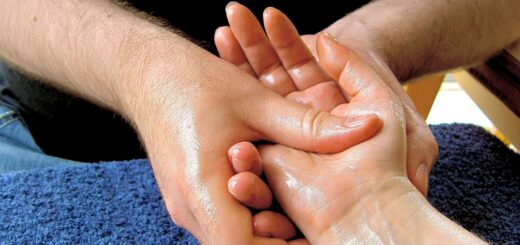
- Palm strokes. Support one hand palm up. With the thumb of the other hand, make slow strokes from the heel of the palm toward the base of each finger.
- Thumb circles in the palm. Make small circles across the palm, spending extra time on the fleshy pad at the base of the thumb, which works hard when gripping.
- Finger glide. Hold each finger at the base and slide gently to the tip with a light squeeze, then give it a slow gentle wiggle. Do not pull or crack the joints.
- Between the bones. On the back of the hand, slide your thumb along the grooves between the long bones, from the wrist toward the knuckles.
- Wrist circles. Rotate the wrist slowly in each direction a few times.
- Forearm. Use the thumb or fingertips to knead along the forearm muscles on both the palm side and the back, from wrist to just below the elbow.
- Finish. Stroke from fingertips up to the wrist, then switch hands.
Our five-minute self-massage routine includes this alongside neck and shoulder steps if you want a fuller desk break.
Pressure and areas to adjust
| Area | Suggested pressure | Tip |
|---|---|---|
| Palm and thumb base | Moderate | Most tension sits here after gripping |
| Fingers | Light | Gentle glides, no pulling |
| Back of hand | Light to moderate | Follow the grooves between bones |
| Inner wrist | Very light | Nerves and vessels are close to the surface |
| Forearm | Moderate | Good for typing and mouse fatigue |
Making it more effective
- Use a fragrance-free cream if your skin is sensitive or dry.
- Massage both hands even if one feels worse.
- Combine with a gentle stretch: arm straight, fingers pointing down, other hand easing the fingers back slightly.
- Repeat short sessions through the day rather than one long one.
Giving a hand massage to someone else
Hand massage is a lovely way to help a parent, partner or friend relax, and it is often appreciated by older relatives with stiff hands. Sit facing them, support their hand on a cushion or towel, and follow the same steps with slower, gentler strokes. Ask about pressure and watch their face. Avoid any swollen, hot or painful joints, cuts or skin infections, and be especially gentle with older people whose skin bruises easily.
Who should be careful
Check with a doctor first if you have
- a recent hand, wrist or finger injury, fracture or surgery
- a hot, red, swollen joint, which may be inflammation or infection
- rheumatoid arthritis or other inflammatory arthritis during a flare
- lymphoedema, for example after breast cancer treatment, which needs specialist techniques
- fragile skin, bleeding disorders or blood thinning medication
- a skin condition such as eczema that is broken or weeping

Numbness and pain: when it is not just tired hands
Some symptoms point to nerve or joint problems rather than ordinary fatigue:
- tingling or numbness in the thumb, index and middle fingers, often worse at night, which can be a sign of carpal tunnel syndrome
- numbness in the little and ring fingers, which may involve the ulnar nerve
- weakness, dropping things or difficulty with buttons
- a finger that catches or locks when bending, sometimes called trigger finger
- persistent joint pain, swelling or morning stiffness lasting more than about half an hour
Seek urgent help if
Sudden weakness or numbness in one hand comes with facial drooping, slurred speech or weakness on one side of the body. These can be signs of a stroke. Call emergency services immediately; in the UAE the ambulance number is 998.
Massage does not treat these conditions, though some people with carpal tunnel or arthritis find gentle massage comfortable alongside medical care. A doctor, hand therapist or physiotherapist can assess and advise.
Preventing hand strain at work and play
The best hand massage is the one you rarely need, because your setup and breaks are right.
- Keep wrists in a neutral position when typing, not bent up or down.
- Use a mouse that fits your hand, and try alternating hands if you can.
- Take short breaks every 30 to 45 minutes to shake out and stretch the hands.
- Relax your grip on the steering wheel in long drives and on game controllers.
- Keep hands warm in cold offices; fingerless gloves can help some people.
Frequently asked questions
How often can I massage my hands?
Short sessions several times a day are fine for most people, as long as there is no pain.
Does hand massage help arthritis?
Some people with osteoarthritis find it comforting. Avoid hot, swollen joints and ask your doctor or therapist about suitable techniques.
Should I use oil or cream?
Either works. Cream absorbs faster, which is practical at a desk. Oil gives more glide for longer sessions.
Can hand massage help carpal tunnel syndrome?
It may feel soothing, but it does not replace diagnosis and treatment. See a doctor about persistent numbness.
Sources: NHS, Mayo Clinic, Arthritis Foundation
Last reviewed: 2026-11-25. General information only, not medical advice. Please consult a licensed practitioner in the UAE about your own situation.