European Massage: The Classic Western Techniques Behind the Spa Menu Name
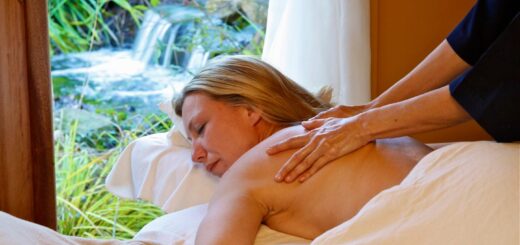
European massage is a broad name for the classic Western style of massage built on five basic strokes: gliding, kneading, friction, tapping and vibration. On most UAE spa menus it is essentially the same as, or very close to, Swedish or “classic” massage: an oil-based, full-body treatment with light to medium pressure aimed at relaxation and easing muscle tension. The label tells you about the tradition, not about a special secret method.
Where European massage comes from
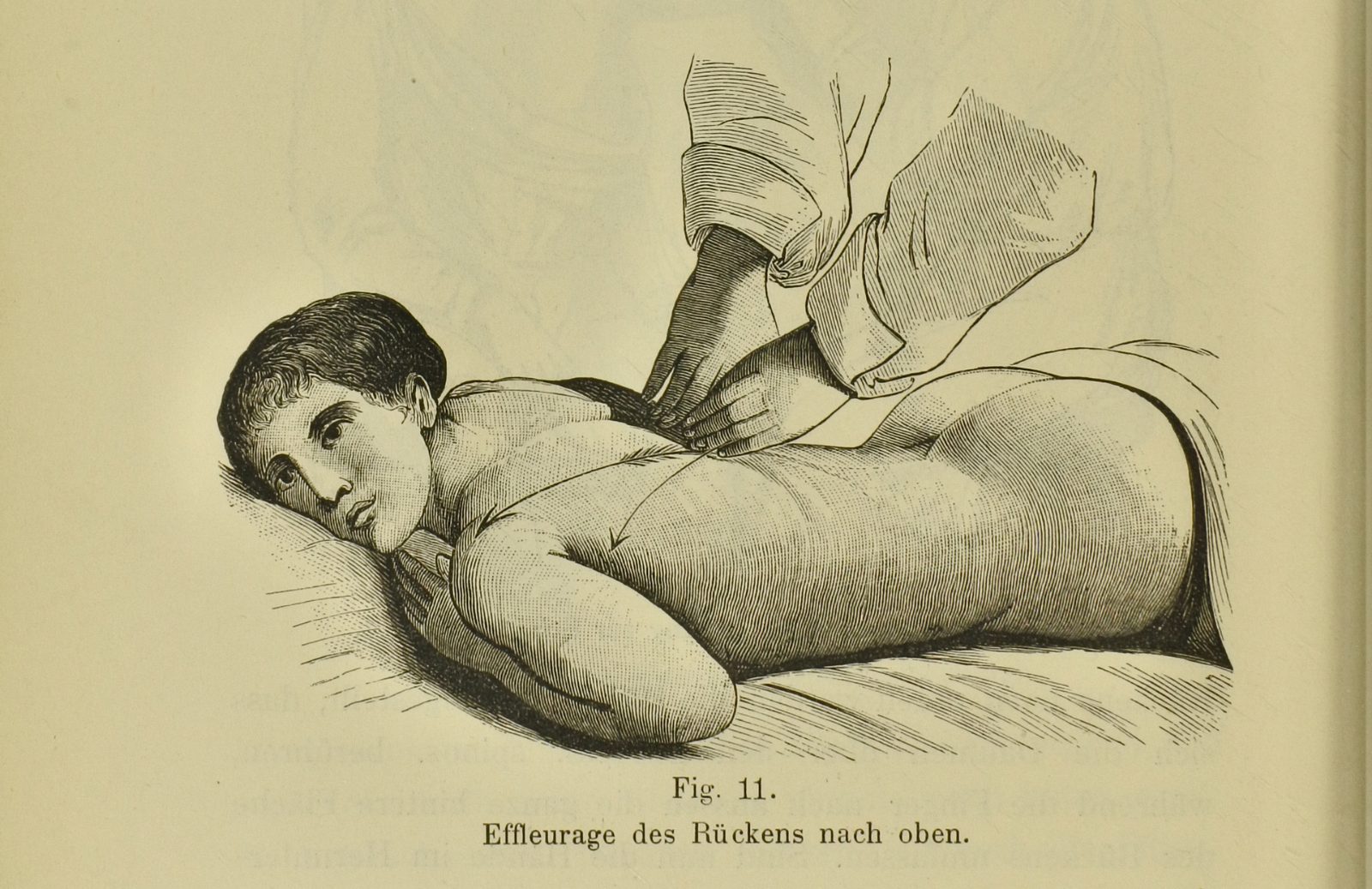
Western massage as taught today took shape in the 19th century. Practitioners in Sweden, the Netherlands and Germany organised hand techniques into a system, gave them French names, and linked them to anatomy and exercise. The terms stuck, which is why therapists worldwide still talk about effleurage and pétrissage.
Different countries then developed their own variations. German and Austrian “classical massage” is often used in physiotherapy settings. Russian and Eastern European schools combined massage with sports training and rehabilitation. In English-speaking countries, the system became known as Swedish massage. When a Dubai spa writes “European massage”, it is usually drawing on this shared tradition.
The five classic strokes
| Stroke | French term | What the therapist does | Purpose |
|---|---|---|---|
| Gliding | Effleurage | Long, smooth strokes with flat hands | Spreads oil, warms tissue, calms |
| Kneading | Pétrissage | Lifting, squeezing and rolling muscle | Works deeper into larger muscles |
| Friction | Friction | Small circular or cross strokes with fingers or thumbs | Targets small tight spots |
| Tapping | Tapotement | Light rhythmic tapping, cupping or hacking | Stimulates; often near the end |
| Vibration | Vibration | Fine shaking of hands on the muscle | Loosens and relaxes |
A session usually opens and closes with gliding strokes and uses the others in between, depending on what the client needs.
How it compares with other styles
European massage sits in the middle of the spectrum: firmer than a gentle aromatherapy session, much gentler than deep tissue work, and very different from clothed Asian techniques that rely on pressure points and stretching.
- Compared with Swedish: effectively the same family. Some spas use “European” for a slightly firmer version or for a menu that blends Swedish with other Western techniques. Read the description. Our Swedish massage guide covers the classic version in detail.
- Compared with deep tissue: deep tissue uses slower, more sustained pressure into deeper layers and can feel uncomfortable at times. See deep tissue massage.
- Compared with Thai or shiatsu: those are usually done clothed, without oil, using pressure along lines or points plus stretching.
For a quick overview of pressure and duration across styles, use our massage styles comparison.
Getting the pressure right
Pressure is not a measure of quality. A good European massage should feel firm enough to reach tense muscles but never so strong that you hold your breath or tense up. Say “lighter” or “firmer” at any point. Therapists expect it.
What happens during a typical session
You fill in a short health questionnaire, then the therapist leaves while you undress to your comfort level and lie under a sheet or towel. Only the area being worked on is uncovered. Most sessions start face down with the back, then move to the backs of the legs, then you turn over for the front of the legs, arms, shoulders and sometimes the neck and scalp.
Sixty minutes is the most common booking for a full body. A 30 to 45 minute session usually focuses on the back, neck and shoulders. Ninety minutes allows slower work and more attention to problem areas.
The value of a classic massage lies in steady rhythm and good communication, not in exotic names.
What it can and cannot do
Reviews of research suggest that massage can reduce feelings of stress and anxiety in the short term and help some kinds of muscle and back pain, alongside other treatment. People commonly report better sleep after a session.
Massage does not remove toxins, cure illness, or replace medical treatment for injuries. If pain is severe, keeps returning, or comes with other symptoms, see a doctor or physiotherapist.
Who should be cautious
Check with a doctor before booking if you
- Have a history of blood clots or take blood thinners.
- Are in the first trimester of pregnancy or have a high-risk pregnancy.
- Have had surgery, a fracture or a cosmetic injection recently.
- Have active cancer treatment, severe osteoporosis or uncontrolled heart disease.
- Have a fever, infection, sunburn, or a skin condition in the area.
Tell the therapist about any allergy to nuts or fragrances, since oils may contain them.
Choosing a venue in the UAE
Look for a spa or wellness centre licensed by the relevant authority in its emirate, with a clear menu that describes each treatment and its duration. Therapists with formal training can usually tell you where they trained. Prices differ considerably between hotel spas, standalone centres and home services; ask for the full price including VAT and any service charge.
Frequently asked questions
Is European massage the same as Swedish massage?
In most UAE spas they are the same or very similar. Both use the classic Western strokes with oil. Some spas use “European” for a slightly firmer or blended version.
Does it hurt?
It should not. Pressure is usually light to medium and can be adjusted. Mild tenderness the next day can happen, especially if muscles were very tight.
How often should I book one?
It depends on your goals and budget. Some people book monthly for general wellbeing, others more often during periods of stress. See our guide on how often to get a massage.
Do I have to remove all my clothes?
No. Undress to your comfort level. Disposable underwear is normally provided, and you stay covered by a sheet except for the area being massaged.
Sources: NHS: Massage, National Center for Complementary and Integrative Health, Mayo Clinic
Cover photo: Wikimedia Commons contributor, CC BY 4.0. Last reviewed: 2026-11-25. General information only, not medical advice. Please consult a licensed practitioner in the UAE about your own situation.