Arabic Massage: What Spas in the UAE Mean by It and What to Expect
“Arabic massage” is not one standardised technique. In UAE spas the name usually describes a full-body oil massage inspired by regional bathing and wellness traditions, often paired with a hammam scrub and using oils and scents such as argan, black seed, rose or oud. The strokes themselves are usually close to a relaxing Swedish-style massage, so the experience is defined more by ritual and aroma than by a unique method.
Where the name comes from
Across the Middle East and North Africa, bathing culture has long included scrubbing, steam and oiling the skin. The hammam, found from Morocco to Turkey and the Levant, combined warm rooms, washing and vigorous scrubbing with a coarse mitt. Massage in those settings was often brisk and practical rather than slow and meditative.
Modern spas in Dubai, Abu Dhabi and the other emirates took those elements and packaged them for visitors and residents. The result goes by many names: Arabian massage, Arabic massage, Oriental ritual, Royal hammam. Each spa writes its own menu, so reading the description matters more than the title.
What usually happens in a session
Most Arabic massage treatments in the UAE follow some version of this order:
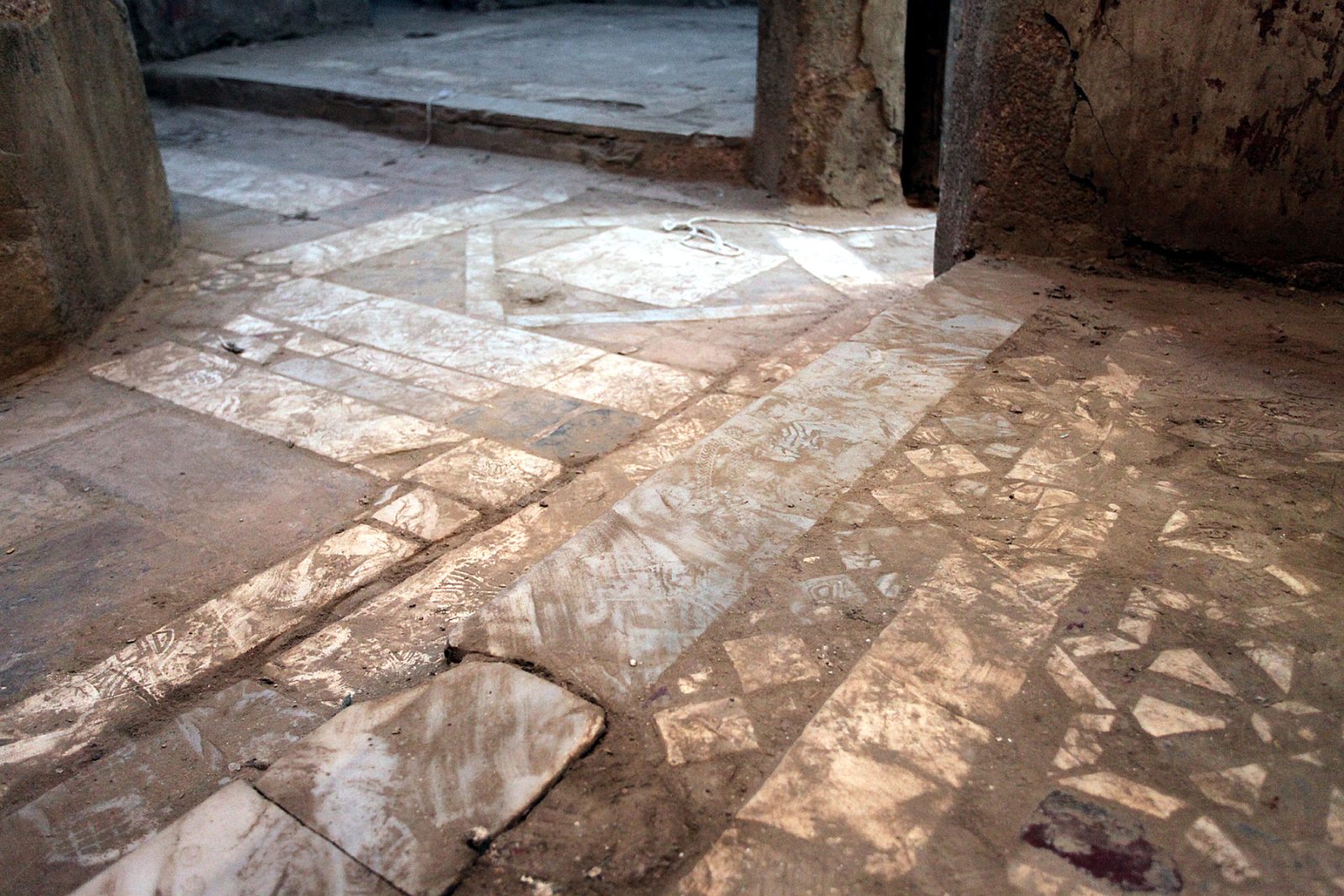
- A short warm-up in a steam room or warm marble room to soften the skin.
- An optional black soap wash and exfoliation with a kessa mitt.
- A rinse with warm water.
- A full-body oil massage, usually 45 to 60 minutes, with medium pressure.
- Rest with tea or water afterwards.
Some spas skip the hammam and offer only the oil massage. Others put the scrub at the centre and keep the massage short. Ask which part takes most of the time.
The oils you are likely to meet
| Oil or ingredient | Where it comes from | What spas use it for |
|---|---|---|
| Argan oil | Argan tree, Morocco | Glide and skin softness |
| Black seed (nigella) oil | Nigella sativa seeds | Traditional regional use, warming scent |
| Rose oil or rosewater | Damask rose | Fragrance and a calming feel |
| Oud | Agarwood resin | Rich, smoky fragrance, usually diluted in a base oil |
| Frankincense | Boswellia resin, Arabian Peninsula | Scent; often in blends |
| Sesame or sweet almond oil | Seeds and nuts | Common base oils |
Fragrant ingredients such as oud and frankincense are almost always diluted in a carrier oil. Strong scents can irritate sensitive skin or trigger headaches, so tell the therapist if you react to perfumes.
Nut and seed allergies
Sweet almond, sesame and other base oils can matter if you have a nut or seed allergy. Ask what the base oil is before the session and request an alternative if needed.
How it feels compared to other styles
The massage portion is usually rhythmic and medium in pressure, with long strokes along the back and legs and kneading through the shoulders. It is less intense than deep tissue work and does not include the stretching of Thai massage. After a scrub, the skin is warm and sensitive, so firm pressure can feel stronger than usual. For a fuller comparison, see our massage styles comparison.
Read the spa menu line by line: the same name can mean a 30-minute scrub with a short massage or a full hour of oil work.
Benefits you can reasonably expect
Massage in general can help people feel relaxed, ease the perception of muscle tension and improve mood for a while afterwards. Reviews of the research support short-term benefits for stress and some types of muscle pain, though effects vary between people. Exfoliation removes dead skin and leaves the skin feeling smoother for a few days.
Claims you may see about detoxification, weight loss or curing medical conditions are not supported by good evidence. Massage does not remove toxins, and sweating in a steam room mainly loses water.

Who should be careful
Heat and scrubbing add some considerations that a plain massage does not.
Check with a doctor first if you
- Are pregnant: steam rooms and high heat are generally advised against, especially early in pregnancy.
- Have heart disease, uncontrolled blood pressure or a history of fainting in heat.
- Have eczema, psoriasis, rosacea, sunburn or broken skin, which scrubbing can aggravate.
- Recently had laser, a chemical peel, waxing or other skin procedures.
- Take medication that thins the blood or makes skin fragile, such as long-term steroids.
In summer, many people arrive at a spa already slightly dehydrated from the heat outside. Drink water before and after, and get up slowly at the end. Stop and tell staff straight away if you feel dizzy, sick, short of breath or have chest pain.
Choosing a good venue
- Look for a clear written description of each step and its duration.
- Ask what oils are used and whether unscented options exist.
- Check that the venue is licensed by the relevant authority in its emirate.
- Hammam areas should be visibly clean, with fresh mitts or a clear cleaning policy.
- Female and male therapists are usually available; you can state a preference when booking.
Prices vary considerably between hotel spas, women-only spas and neighbourhood centres. Ask for the final price including service charge and VAT.
Bringing the ritual home
You can recreate parts of the experience: a warm shower to soften the skin, gentle exfoliation once a week with a mitt, then a few drops of argan or another plain oil massaged in while the skin is still damp. Keep strong essential oils well diluted and patch test first. Our five-minute self-massage routine works well after a shower.
Frequently asked questions
Is Arabic massage the same as a hammam?
Not always. A hammam is the bathing and scrubbing ritual. Many spas sell an Arabic massage that includes a hammam, but some offer only the oil massage under that name.
Do I need to be undressed?
For the scrub and oil massage you are usually given disposable underwear, and areas not being treated are kept covered. You can ask for more draping at any time.
Is it suitable for men?
Yes. Most spas in the UAE offer it to both men and women, often in separate areas.
How often can I have a hammam scrub?
For most people, once every week or two is enough. Scrubbing too often can irritate the skin, particularly in dry, air-conditioned environments.
Sources: NHS: Massage, National Center for Complementary and Integrative Health, Dubai Health Authority
Cover photo: Antidiskriminator, CC BY-SA 3.0. Last reviewed: 2026-11-25. General information only, not medical advice. Please consult a licensed practitioner in the UAE about your own situation.