Foot Massage: Techniques, Home Routine and Safety Tips
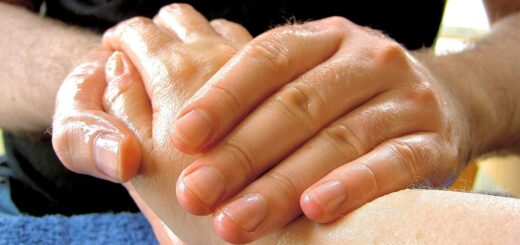
A foot massage is hands-on work on the soles, toes, heels, ankles and often the lower calves, using kneading, thumb pressure and gentle stretching. It is one of the easiest massages to fit into a busy UAE day, it needs no undressing beyond shoes and socks, and you can learn a simple version to do at home.
Foot massage or reflexology?
They are often sold side by side but are not the same thing. A foot massage works on muscles, tendons and skin to relax tired feet. Reflexology applies pressure to specific points on the feet based on the belief that they correspond to other parts of the body. Reflexology can feel very relaxing, but scientific evidence that it treats conditions elsewhere in the body is limited.
Why feet get so tired
Your feet carry your whole body weight with every step and contain dozens of small joints and muscles. A few things common in the UAE make foot fatigue worse:
- Long hours standing in retail, hospitality, healthcare and security jobs
- Walking long distances in malls with hard, polished floors
- Flat sandals and thin-soled shoes in hot weather, which offer little arch support
- Hot feet swelling slightly during summer months
- Long-haul flights through Dubai and Abu Dhabi hubs, where sitting still for hours can leave feet and ankles heavy
What a professional foot massage includes
Most spa foot treatments start with a warm foot soak, sometimes with salts, followed by 20 to 60 minutes of massage. Therapists typically use:
| Technique | What it involves | What it feels like |
|---|---|---|
| Effleurage | Long, gliding strokes from toes to ankle | Warming, soothing |
| Thumb walking | Small, inching thumb presses along the sole | Firm, detailed |
| Kneading | Squeezing and rolling the arch and heel pads | Deep, releasing |
| Toe mobilisation | Gently rotating and pulling each toe | Loosening |
| Ankle circles | Supported rotation of the ankle joint | Freeing, relaxing |
| Calf strokes | Upward strokes on the lower leg | Lightening, especially after standing |
Many UAE spas combine a foot massage with a pedicure, a back and shoulder massage, or a longer reflexology session. If you want pure muscle relief, ask for a foot and calf massage rather than reflexology.
What it can and cannot do
Massage in general has reasonable evidence for short-term relaxation and easing some types of muscle discomfort. A foot massage is pleasant, it can make tired feet feel lighter and many people find it helps them unwind before sleep. It will not cure plantar fasciitis, flat feet, bunions or nerve problems, though it can be part of a wider plan agreed with a podiatrist or physiotherapist.
A good foot massage leaves your feet warm, loose and lighter, but persistent heel or arch pain is a reason to see a podiatrist, not to book more massages.
A simple routine to do at home
You can do this on yourself sitting on a chair, or on a partner lying down. Use a little lotion or oil and wash hands first.
- Warm up. Hold the foot in both hands and stroke from toes to ankle ten times.
- Sole press. Using both thumbs, press slowly along the sole from heel to toes, in lines, for about a minute.
- Arch knead. Make a loose fist and gently knead the arch in small circles.
- Heel squeeze. Cup the heel and squeeze and release a few times.
- Toe work. Gently rotate each toe, then slide your fingers between the toes.
- Ankle circles. Support the heel and slowly rotate the ankle each way.
- Finish. Stroke up from toes over the ankle and onto the calf.
If you only have five minutes, our self-massage routine covers feet, hands, neck and shoulders together. Rolling the sole over a tennis ball or a frozen water bottle is another easy option at a desk.

Who should be careful
Talk to a doctor before a foot massage if you have
- Diabetes with numbness, poor circulation, cuts or ulcers on the feet
- A history of blood clots in the legs, or sudden calf pain and swelling
- A recent fracture, sprain or surgery on the foot or ankle
- An active gout flare, with a hot, red, painful joint
- Skin infections, open wounds, verrucas or athlete’s foot (therapists should not massage over these)
- Severe varicose veins on the lower legs
People who are pregnant can usually enjoy a gentle foot massage, but tell the therapist, and avoid anyone who claims to “induce labour” through foot points. Swelling in pregnancy that is sudden or comes with headaches or vision changes needs urgent medical attention, not massage.
Red flags that need prompt medical advice: a calf that is swollen, warm and painful on one side, foot pain with fever, a wound that is not healing, or new numbness.
Choosing a foot massage venue in the UAE
Foot massage centres, spas and hotel wellness areas are everywhere, from malls to airport terminals. A few points help you pick well:
- Hygiene first. Foot basins should be cleaned between clients, and disposable liners are a good sign.
- Licensed premises. The business should display a valid trade licence. For pain management, look for a licensed physiotherapist or podiatrist instead.
- Clear menu. The venue should explain whether you are getting massage, reflexology or both, and for how long.
- Prices. Rates vary widely by location and session length, so check current menus rather than relying on old figures.
Frequently asked questions
How long should a foot massage last?
Twenty to thirty minutes is plenty for relaxation. Longer sessions usually include the calves or combine the feet with another area.
Is it good to have a foot massage every day?
A gentle home foot massage every day is generally fine for healthy feet. If you have diabetes, circulation problems or foot pain, ask your doctor or podiatrist first.
Can a foot massage help with swollen feet?
Gentle upward strokes may help feet feel lighter after a long day. Swelling that is new, one-sided, painful or associated with breathlessness should be checked by a doctor.
Should a foot massage hurt?
Some spots may feel tender, but it should not be painful. Ask the therapist to reduce pressure if it does.
Sources: NCCIH: Massage Therapy, NHS: Foot pain, Ministry of Health and Prevention
Last reviewed: 2026-11-25. General information only, not medical advice. Please consult a licensed practitioner in the UAE about your own situation.