Reflexology: What It Is, What a Session Feels Like and What the Evidence Shows
Reflexology is a hands-on therapy in which a practitioner applies pressure to specific points on the feet, and sometimes the hands or ears, based on maps that link those points to other parts of the body. Most people find it deeply relaxing, and studies suggest it can reduce anxiety and improve wellbeing in some settings. There is no good scientific evidence that pressing a point on the foot treats a specific organ or diagnoses illness, so it is best enjoyed as a relaxing therapy, not a medical treatment.
The idea behind reflexology
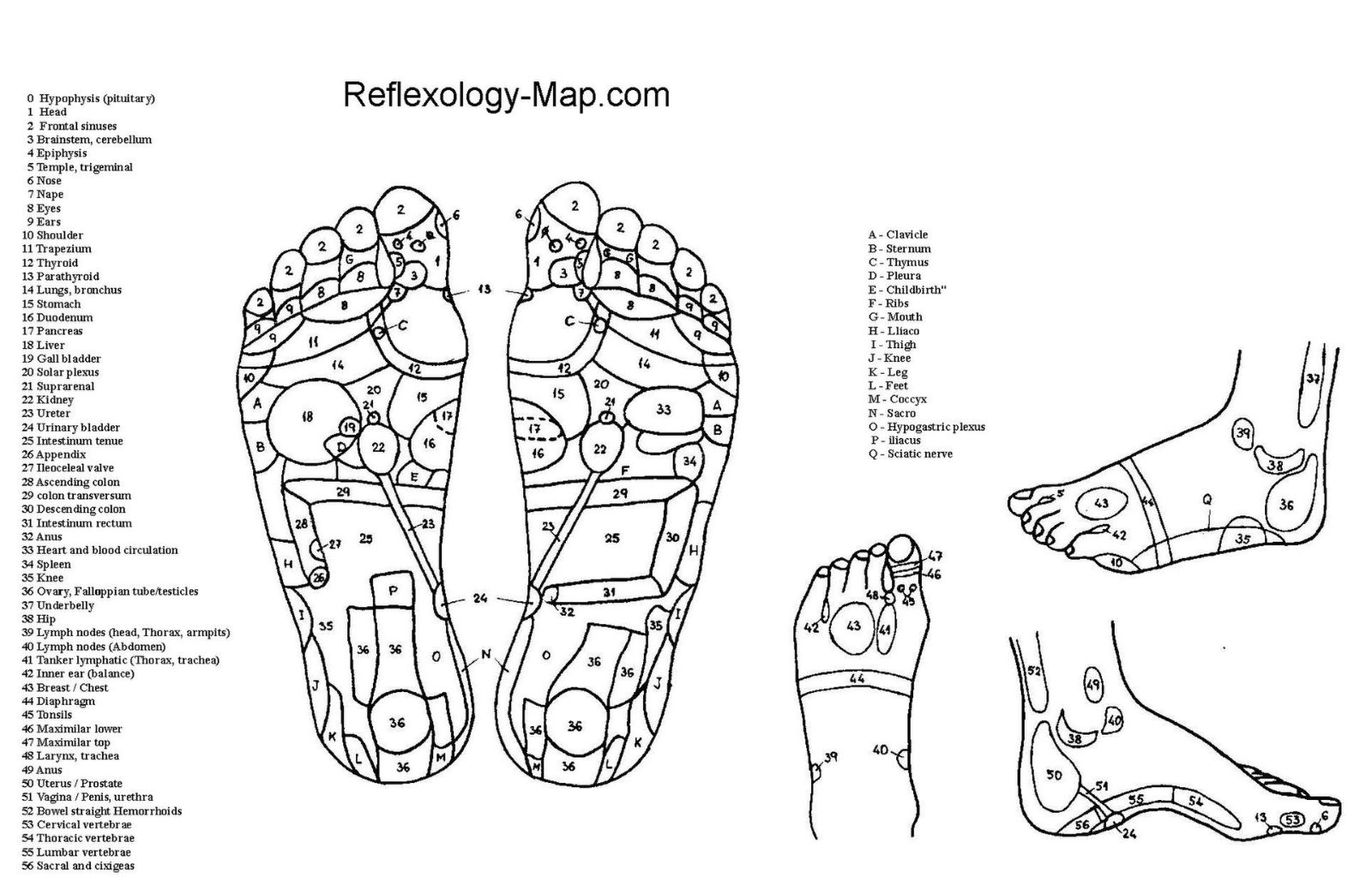
Reflexology is based on the idea that areas of the feet correspond to organs and systems elsewhere: the toes to the head, the arch to the digestive organs, the heel to the lower back and pelvis, and so on. Practitioners use charts showing these zones. Modern reflexology was popularised in the early 20th century, drawing on older traditions of foot pressure found in several cultures.
Scientific research has not found evidence for these anatomical connections or for nerve pathways that would link a point on the sole to a particular organ. The relaxation and comfort many people feel are real, but they are better explained by the effects of touch, attention and rest.
How it differs from a foot massage
| Aim | Pressure on mapped points for whole-body wellbeing | Relax and ease tired feet and calves |
|---|---|---|
| Technique | Thumb and finger “walking”, sustained point pressure | Kneading, gliding, stretching with oil or cream |
| Oil | Usually little or none | Usually yes |
| Area | Mainly soles and sides of feet | Feet, ankles, often lower legs |
| Feel | Focused, sometimes tender spots | Broad, soothing |
Both can be relaxing. If you mostly want tired feet to feel better after a long day, a foot massage may be what you are after.
What a session is like
You stay clothed and sit in a reclining chair or lie on a couch. The practitioner asks about your health, then cleans your feet, often with a warm towel or wipes. They start with general relaxing strokes, then work methodically over each foot using thumb-walking and sustained pressure on particular points. Some spots may feel tender; tell the practitioner and they will ease off. Many people become very drowsy.
Sessions commonly last 30 to 60 minutes.
Enjoy reflexology for how it makes you feel, not for what a chart claims it can diagnose.
What the research shows
Reviews of reflexology studies have found:
- Relaxation and anxiety: some studies report reduced anxiety, for example in people having medical procedures or in palliative care settings.
- Pain and wellbeing: some small studies report improvements, but many have weaknesses such as no proper comparison group.
- Specific disease treatment: no reliable evidence that reflexology treats or cures any medical condition.
- Diagnosis: reflexology cannot diagnose illness. Tender points on the foot are not a reliable sign of disease elsewhere.
Bodies such as the NHS describe reflexology as safe for most people but note the lack of evidence for health claims.
Never use reflexology instead of medical care
Do not delay seeing a doctor for symptoms because a reflexologist has suggested a cause or treatment. If anyone tells you a tender spot means you have a disease, get proper medical advice.
Who should be cautious
Check with a doctor or choose a specially trained practitioner if you
- Are pregnant, especially in the first trimester or with complications.
- Have a foot injury, fracture, gout flare, infection, open wound or verruca.
- Have deep vein thrombosis, a clotting disorder or circulation problems in the legs.
- Have diabetes with reduced foot sensation or foot ulcers. Foot care is important; see your doctor or podiatrist.
- Have had recent surgery on the feet, ankles or legs.
Stop the session if you feel unwell, dizzy, or in pain.
Hand and ear reflexology
Some practitioners work on the hands instead of, or as well as, the feet. Hand reflexology uses similar maps and techniques and can be handy for people who cannot have their feet touched, for example because of a foot injury, ticklishness or a skin problem on the soles. It is also easy to do in a chair at work. Ear reflexology, sometimes called auricular therapy, uses small points on the outer ear; it is related to, but different from, auricular acupuncture, which uses needles and should only be done by a licensed acupuncturist.
The evidence picture is the same for all three: they may help people relax, but there is no reliable proof that they treat specific conditions. If you enjoy hand work, the hand steps in our five-minute self-massage routine are another relaxing option.
Getting the most out of a session
Wear clothes you can relax in, with trousers that roll up easily. Avoid a heavy meal just before. Mention any foot conditions, recent injuries, pregnancy or medication at the start. Drink water afterwards and give yourself a few quiet minutes before driving, as many people feel very sleepy.
Reflexology in the UAE
Reflexology is offered in spas, wellness centres and as an add-on in many foot massage outlets in malls. Standards vary widely. Look for practitioners with formal reflexology training, ask what is included in the session and how long the reflexology part is, and make sure the venue is licensed. Be cautious of venues that make medical claims.
In the summer, sandals and heat can leave feet dry and sore. Reflexology and foot massage are popular for this reason, but cracked heels and foot pain may also need simple foot care or a podiatrist’s advice.
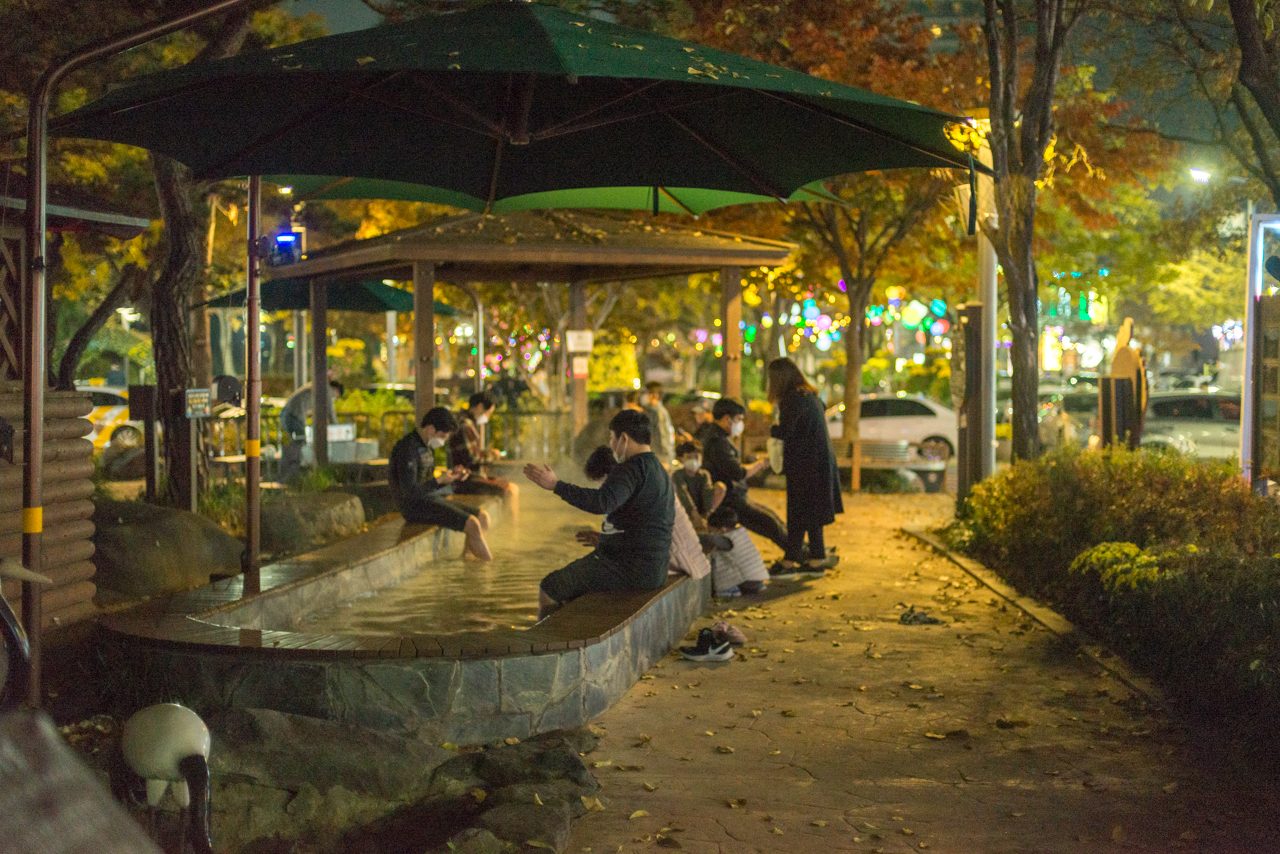
Trying simple techniques at home
You can try gentle thumb pressure on your own feet or a partner’s. Use moderate, comfortable pressure, work slowly across the sole, and avoid any painful or injured areas. Our five-minute self-massage routine includes a foot step. Do not try to “treat” medical conditions this way.
Frequently asked questions
Does reflexology hurt?
It should not hurt. Some points may feel tender, and the practitioner can adjust pressure.
Can reflexology diagnose health problems?
No. There is no reliable evidence that reflexology can diagnose illness. See a doctor about any symptoms.
Is reflexology safe in pregnancy?
Many practitioners avoid the first trimester. Ask your obstetrician and choose a practitioner trained in pregnancy reflexology.
How often should I have reflexology?
There is no evidence-based schedule. People who enjoy it often book weekly to monthly for relaxation.
Sources: NHS: Reflexology, National Center for Complementary and Integrative Health, Cancer Research UK
Cover photo: Pagodashophouse, CC BY-SA 3.0. Last reviewed: 2026-11-25. General information only, not medical advice. Please consult a licensed practitioner in the UAE about your own situation.