Shiatsu Massage: Japanese Pressure Therapy Explained for First-Timers
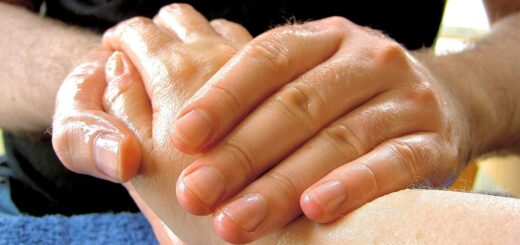
Shiatsu is a Japanese form of bodywork in which the practitioner uses fingers, thumbs, palms and sometimes elbows and knees to apply steady pressure along the body, combined with gentle stretches and joint rotations. It is usually done fully clothed, on a padded mat on the floor, without oil. Many people find it deeply relaxing and grounding. Its traditional explanations rely on energy pathways that science has not confirmed, but research suggests it can help with relaxation and wellbeing.
Where shiatsu comes from
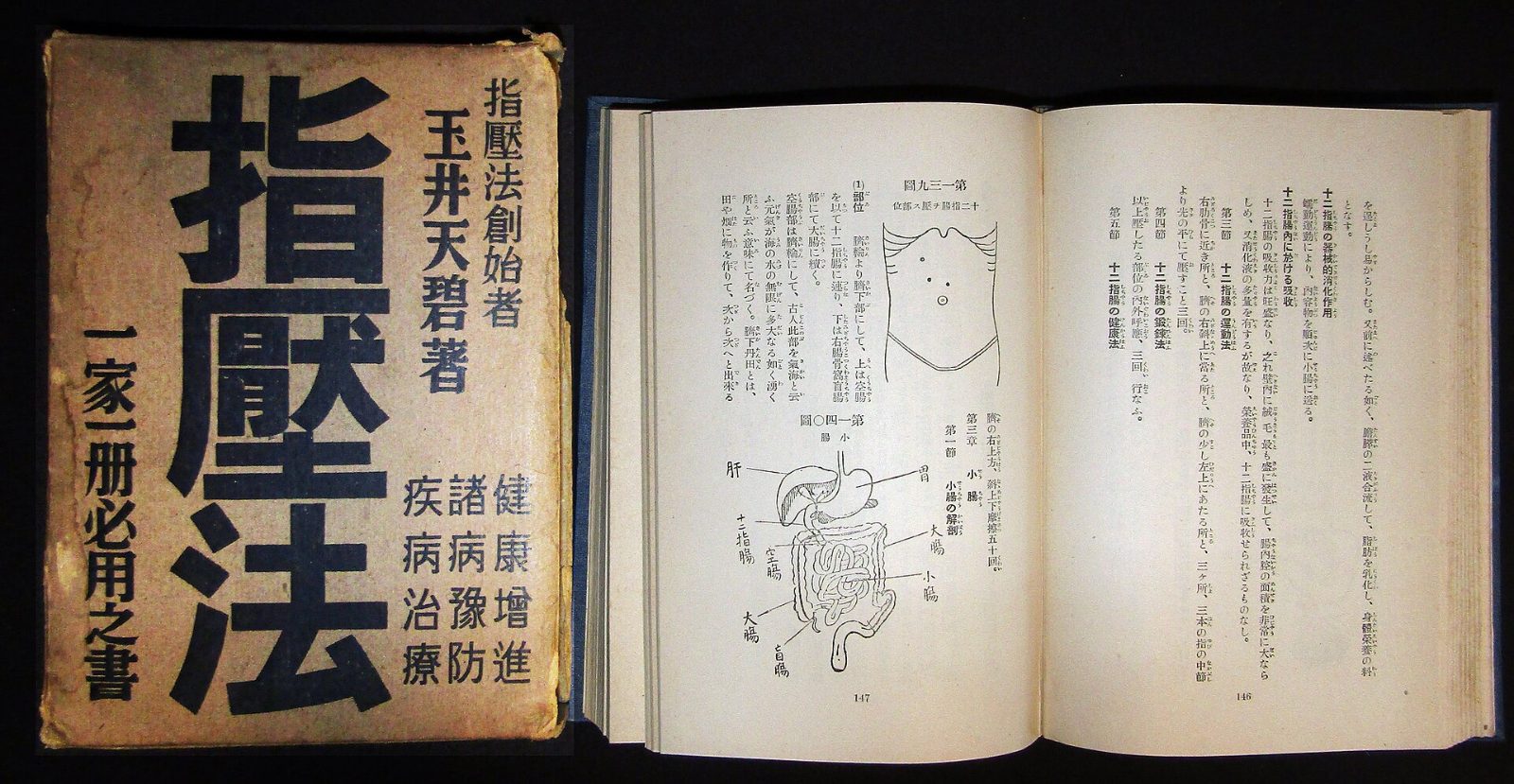
Shiatsu means “finger pressure” in Japanese. It developed in Japan in the 20th century, drawing on older Japanese massage (anma) and on concepts from traditional Chinese medicine, such as meridians and the flow of ki (qi). Different schools emphasise different things: some focus on meridian theory, others on a more Western anatomical approach.
You do not need to accept the traditional theory to enjoy shiatsu. From a modern perspective, it is a pressure-based massage with stretching that calms the nervous system and eases muscle tension.
What happens in a session
- Consultation. The practitioner asks about your health, energy, sleep and any pain. Some also look at posture or feel the abdomen, a traditional assessment called hara.
- Clothing. You wear loose, comfortable clothes such as a T-shirt and soft trousers. Socks are fine.
- Position. You lie on a futon-style mat on the floor, face up, face down or on your side. Some practitioners use a massage table instead.
- Treatment. Slow, rhythmic pressure along lines on the back, limbs, shoulders, neck and sometimes the abdomen, plus gentle stretching and rotations.
- Rest. A few minutes at the end before getting up.
Sessions typically last 45 to 60 minutes.
How shiatsu compares with similar styles
| Style | Clothing and oil | Main techniques | Feel |
|---|---|---|---|
| Shiatsu | Clothed, no oil, usually on a mat | Steady pressure with fingers, palms; gentle stretches | Calm, rhythmic, grounding |
| Thai massage | Clothed, no oil, on a mat | Pressure plus larger assisted stretches and yoga-like positions | More active, more stretching |
| Swedish | Undressed under a sheet, with oil | Long gliding strokes, kneading | Flowing, soothing |
| Acupressure | Clothed | Pressure on individual points | Focused, point by point |
| Reflexology | Clothed, feet bare | Pressure on points on the feet | Focused on the feet |
For more detail on related styles, see our guides to Thai massage, Swedish massage and reflexology.
Shiatsu is quiet, slow pressure: think of it as leaning into tension rather than rubbing it away.
What the research says
Studies of shiatsu are relatively few and often small. Some report improvements in relaxation, anxiety, sleep quality and the perception of pain, particularly for low back and neck discomfort. Many lack rigorous controls. There is no scientific evidence for meridians or ki as physical structures.
A reasonable view is that shiatsu is a safe and pleasant form of massage for most people that can help them feel calmer and less tense, without claims that it treats disease.
Who should take care
Check with a doctor, or tell the practitioner, if you
- Are pregnant: some traditions avoid certain pressure points in pregnancy; choose a practitioner trained in prenatal work.
- Have osteoporosis, recent fractures or joint replacements, as stretches and pressure may need adapting.
- Have a history of blood clots or take blood thinners.
- Have had recent surgery, especially abdominal.
- Have uncontrolled high blood pressure, heart disease, or active cancer treatment.
- Have a fever, infection, or skin condition in areas to be treated.
Floor-based work may be hard for people who struggle to get down to and up from the floor. Ask for a table instead.
Mild tiredness or soreness after a session can happen. Seek medical care for severe pain, numbness, weakness, or symptoms such as chest pain or breathlessness.
Shiatsu in the UAE
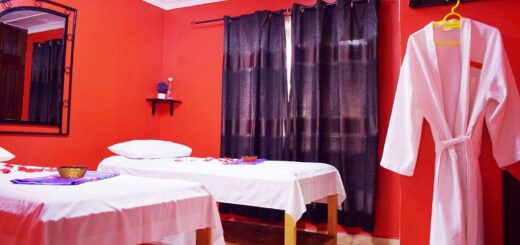
Shiatsu is available in some wellness centres, Japanese-inspired spas and through independent practitioners in Dubai and Abu Dhabi. It is less common than Swedish or Thai massage, so check what the venue means by “shiatsu” on its menu: some offer a genuine floor-based shiatsu, while others offer an oil massage with some pressure points.
Questions to ask before booking
- Is the session on a mat or a table, and is it clothed?
- What training does the practitioner have in shiatsu specifically?
- How long is the hands-on part of the session?
- Is the venue licensed by the relevant authority in its emirate?
Wear loose clothing that lets you move, avoid a heavy meal beforehand, and drink water afterwards, particularly in summer.
Shiatsu devices
“Shiatsu” is also used to describe massage pillows, chairs and foot machines with rotating nodes. These imitate kneading pressure but are quite different from the hands-on therapy. See our guides to massage machines and neck massagers for safe use.
Trying a little at home
Simple pressure techniques are safe for most people. With a partner lying face down, use the flat of your palms to lean gently into the muscles either side of the spine, moving slowly from the shoulders to the lower back. Never press on the spine itself, and stop if anything hurts. Our five-minute self-massage routine includes points you can press on your own shoulders and hands.
Frequently asked questions
Do I take my clothes off for shiatsu?
No. Traditional shiatsu is done fully clothed. Wear loose, comfortable clothes.
Does shiatsu hurt?
It should not hurt. Pressure can be firm and some areas may feel tender, but it should be comfortable overall. Tell the practitioner if it is too much.
Is shiatsu the same as acupressure?
They are related. Acupressure focuses on individual points, while shiatsu uses broader pressure along lines with stretches.
How often should I have shiatsu?
There is no evidence-based schedule. Many people book occasionally or monthly for relaxation.
Sources: NHS, National Center for Complementary and Integrative Health, Mayo Clinic
Last reviewed: 2026-11-25. General information only, not medical advice. Please consult a licensed practitioner in the UAE about your own situation.