Head Massagers: Types, Real Benefits and How to Use Them Safely
A head massager is any tool, manual or electric, designed to knead, tap, vibrate or gently compress the scalp and head to help you relax. Options range from simple wire “scalp tinglers” and silicone shampoo brushes to rechargeable kneading devices and wrap-around helmets with air pressure and heat. They can feel soothing and help you unwind, but they are not a treatment for headaches or hair loss on their own.
Types of head massager
| Type | How it works | Feels like | Good for | Watch out for |
|---|---|---|---|---|
| Wire “scalp tingler” | Flexible metal prongs drawn slowly over the scalp | Light tingling | Quick relaxation | Prongs catching long or curly hair |
| Silicone shampoo brush | Soft nubs used by hand on wet or dry hair | Gentle scrubbing | Washing, product build-up, relaxation | Pressing too hard on a sensitive scalp |
| Electric kneading massager | Rotating nodes, often waterproof | Fingertip-like kneading | Shower or bedtime use | Tangling, very long sessions |
| Wrap or helmet device | Air compression, vibration, sometimes heat | Pressure and warmth around the head | Winding down after screens | Heat, tight fit, claustrophobia |
| Handheld vibration massager | Vibrating head moved over the scalp | Buzzing, diffuse | Neck and scalp together | Use near the eyes or face |
For neck and shoulder tension, which often goes with a tight scalp, our massage styles comparison covers hands-on options such as Indian head massage and shiatsu.
What a head massager can do
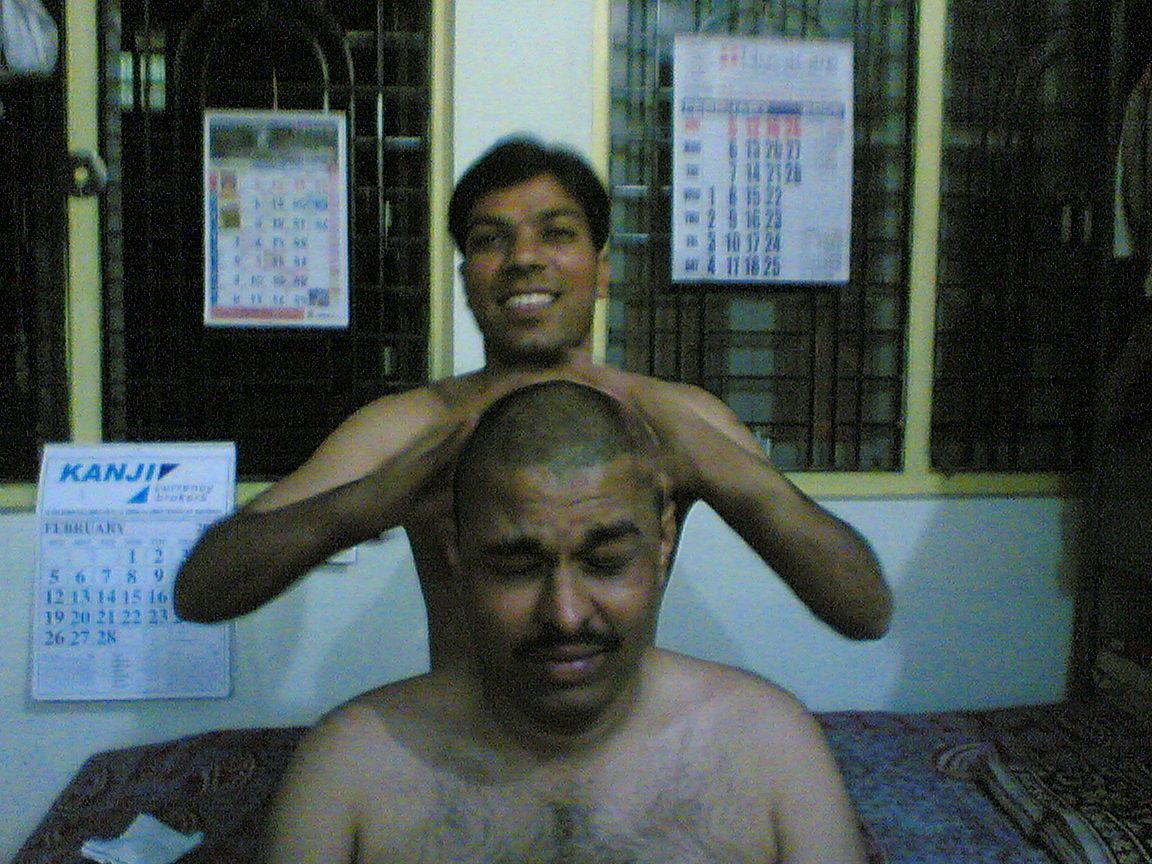
Many people find scalp massage pleasant and calming. It can be a useful part of a wind-down routine, especially after long days in front of screens or after tense commutes. Gentle massage around the base of the skull and the upper neck often feels particularly good, since muscles there tighten with desk posture.
What the evidence does not support well:
- Treating headache disorders. Some people find massage helps tension-type headaches feel better, but recurring headaches deserve a medical assessment. Migraine, in particular, needs proper diagnosis and treatment.
- Regrowing hair. A very small study in Japan suggested daily scalp massage might increase hair thickness over months, but it was too small to be conclusive. A head massager is not a substitute for diagnosing and treating hair loss.
- Detox or “circulation” claims. Marketing often promises to flush toxins or boost circulation dramatically. These claims are not backed by solid evidence.
Treat a head massager as a relaxation tool. If you are buying it to fix a symptom, find out what is causing the symptom first.
How to use one well
Simple guidelines
- Start on the gentlest setting and keep sessions short, often a few minutes per area
- Work slowly from the hairline towards the crown and down to the back of the head
- On long or curly hair, move in the direction of the hair to avoid tangles
- Clean devices and brushes regularly, especially in humid weather
- Charge rechargeable devices only with the supplied cable, and keep non-waterproof devices away from the shower
A short evening routine might look like this:
- Sit comfortably with your shoulders relaxed and screens away.
- Use the device or brush in small circles at the hairline for one minute.
- Move to the top of the head and then the crown, one minute each.
- Finish at the base of the skull and the sides of the neck with light pressure.
- Roll the shoulders slowly and take a few deep breaths.
If you prefer to use your own hands, our five-minute self-massage routine includes scalp and neck steps.
Who should avoid head massagers or take care
Avoid or check with a doctor first if you have
- Open wounds, cuts, active infection or severe scalp psoriasis or eczema flares
- A recent hair transplant or scalp procedure (follow your surgeon’s timing)
- A recent head injury or concussion
- Recurrent headaches or migraines that are not yet diagnosed
- A shunt, implanted device or recent surgery on the head or neck
- Sensitivity to heat, for wrap devices with a heating function
Do not use heated wraps while drowsy or asleep, and avoid devices pressing on the eyes unless they are specifically designed and approved for that use. Children should only use head massagers under supervision.
Headache red flags
Seek urgent medical help, and do not try to massage it away, if you have:
- A sudden, severe headache, often described as the worst ever
- Headache with fever, a stiff neck or a rash
- Headache after a head injury
- Headache with weakness, confusion, difficulty speaking, or changes in vision
- A new headache pattern after the age of 50, or one that keeps getting worse
Choosing a head massager in the UAE
Head massagers are widely available in pharmacies, electronics stores and online. A few practical points help:
- Hair type. People with thick, long or curly hair usually do better with silicone nodes or brushes than with wire tinglers.
- Waterproofing. If you want to use it in the shower, check its water-resistance rating and the manufacturer’s instructions.
- Power and warranty. For electric devices, buy from sellers that offer local warranty and products rated for UAE power supply and chargers.
- Hygiene. Choose devices with removable or easy-to-clean heads, since sweat and styling products build up quickly in hot weather.
- Price. Simple tools are inexpensive, while helmets and multi-function devices cost much more. Expensive does not always mean more relaxing, so try simple options first.
Frequently asked questions
Is it safe to use a head massager every day?
For most healthy adults, short, gentle daily use is fine. Stop if your scalp becomes sore, irritated or flaky, and avoid areas with wounds or active skin conditions.
Can a head massager help with stress?
Many people find it relaxing, and a calming routine can help you wind down. Persistent stress, anxiety or sleep problems are worth discussing with a doctor or counsellor.
Will a scalp massager make my hair grow faster?
There is not enough evidence to say so. Hair growth depends mainly on genetics, hormones, nutrition and health. A dermatologist can advise on proven treatments for hair loss.
Can I use a head massager with dandruff?
A soft silicone brush can help lift flakes during washing, used with your usual or medicated shampoo. Avoid scratching or pressing hard on an irritated scalp.
Sources: NHS: Headaches, NCCIH: Massage Therapy, Ministry of Health and Prevention
Cover photo: Wikimania2009 Beatrice Murch, CC BY 3.0. Last reviewed: 2026-11-25. General information only, not medical advice. Please consult a licensed practitioner in the UAE about your own situation.