Massage Chair Buying Guide: Tracks, Rollers, Airbags and What Matters at Home
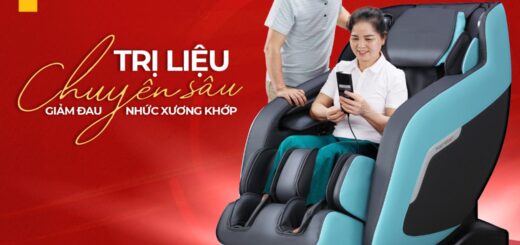
A massage chair is a powered recliner with internal rollers, airbags and sometimes heat that work the back, neck, hips and legs on preset programmes. The best choice depends less on headline features and more on fit: how well the roller track matches your spine length, how the chair handles your height and weight, and whether it actually fits your room, doorway and budget.
How a massage chair works
Inside the backrest, a roller mechanism moves up and down a track. The rollers knead, tap, roll and press in patterns designed to imitate hand techniques such as Swedish strokes, shiatsu-style pressure or percussion. Airbags in the seat, arms, calves and feet inflate and deflate to squeeze muscles, while some chairs also include foot rollers and gentle heat in the lower back or calves.
Most chairs measure your back with sensors at the start of a programme to adjust where the rollers travel. Programmes usually run for a set time, often around 15 to 30 minutes, and then stop automatically.

The key terms explained
| Term | What it means | Why it matters |
|---|---|---|
| S-track | Roller track that follows the curve of the spine from neck to lower back | Better contact along the back |
| L-track | Track that continues under the seat to the glutes and upper hamstrings | Reaches hips and seat area |
| SL-track | Combination of the two | Wider coverage |
| 2D, 3D, 4D rollers | 2D moves up/down and side to side; 3D adds depth; 4D varies speed and rhythm | Depth and variety of pressure |
| Zero gravity recline | Reclines with knees raised roughly level with the heart | Spreads body weight, many find it relaxing |
| Airbag compression | Inflating cushions around arms, legs and hips | Squeezing feel, especially for calves |
| Body scan | Sensors that estimate spine length and shoulder position | Better roller placement |
Labels like “4D” are used differently by different brands, so test chairs in person where possible rather than relying on numbers alone.
Choosing the right chair for you
Think through these points before shopping.
Your height and build. Many chairs are designed for a typical adult range. Very tall or petite users, and heavier users, should check the manufacturer’s recommended height and maximum user weight. A poor fit means rollers hit the wrong spots and leg sections do not reach the feet.
Pressure preference. If you like firm deep tissue work, look for 3D depth adjustment. If you prefer gentle relaxation, a simpler 2D chair with good airbags may be enough.
Room and space. Many chairs need space behind them to recline, though some models are designed to sit close to a wall. Measure the room, the lift, the doorways and the turn of the corridor, which matters in many UAE apartment buildings.
Noise. Rollers and air pumps make noise. If the chair will sit in a shared living room, listen to it running before buying.
Warranty and service. These are heavy mechanical products. Ask what the warranty covers, whether parts and labour are included, whether home service is available in your emirate, and how long repairs usually take.
Test-sit checklist
- Try a full programme, not just two minutes.
- Check that the neck rollers reach your shoulders, not your head.
- Make sure your feet sit comfortably in the foot well.
- Test the strongest and weakest settings.
- Ask whether the fabric or synthetic leather is easy to clean and handles heat.
Heat, humidity and placement in UAE homes
Massage chairs are usually covered in synthetic leather, which can crack if left in direct strong sunlight for long periods. Keep the chair away from a sunny window or balcony door, and use the air-conditioned part of the home. Coastal humidity can affect electronics if a home is left closed without air-conditioning during summer travel, so cover the chair and follow the manufacturer’s care advice. A surge-protected socket is a sensible precaution.
Massage chair or alternatives?
A full chair is a big purchase and takes up real space. Before committing, consider whether a smaller device would cover what you actually want:
- Mostly neck and shoulder tension: a neck and shoulder massager or a seat cushion massager may be enough.
- Tired legs and feet after long days standing: a dedicated foot or leg compression massager is smaller and cheaper.
- Sore muscles after training: a massage gun gives targeted pressure on large muscles.
- Occasional deep relaxation: regular hands-on sessions with a therapist may give more value than a chair you rarely use.
A chair makes most sense for people who will use it often, want whole-body coverage without effort, and have a suitable room for it.
Benefits and limits
People commonly use massage chairs to unwind after work, ease general muscle tension, and enjoy a regular massage without booking appointments. Evidence on massage in general suggests it can help with short-term relaxation and some kinds of muscle discomfort. A chair, however, cannot assess your body the way a skilled therapist can. It will not notice a sore area that needs a lighter touch, and it is not a treatment for injuries or medical conditions.
A massage chair is a convenience for relaxation, not a replacement for medical assessment of pain.
For targeted relief between sessions, a short self-massage routine can complement the chair.

Who should check with a doctor first
Ask your doctor before using a massage chair if you
- are pregnant
- have a pacemaker or other implanted electronic device
- have osteoporosis, a recent fracture, or a spinal condition or spinal surgery
- have deep vein thrombosis, varicose veins or a blood clotting disorder, or take blood thinners
- have diabetes with nerve damage, as reduced sensation can hide pressure injuries
- have a skin condition, wound or recent surgery in areas the chair will touch
Children should not use massage chairs unsupervised, and some manufacturers advise against use by children at all. Do not fall asleep in a running chair, and stop immediately if you feel pain, numbness or dizziness.
Using a chair sensibly
Start with the lightest intensity and a shorter programme, then adjust. Many manufacturers recommend not using the chair for long, repeated sessions back to back. Avoid using it straight after a heavy meal, and drink some water afterwards. Keep a gap of at least a few hours between a strong chair session and an intense workout on the same muscles.
If you already see a massage therapist, ask how chair use fits around your appointments. You can also compare the feel of chair programmes with hands-on styles in our massage styles comparison.
Frequently asked questions
How often can I use a massage chair?
Many people use one daily for a single programme. Follow the manufacturer’s guidance and your doctor’s advice if you have a medical condition.
Is a more expensive massage chair always better?
Not always. Fit, track coverage and the type of pressure you like matter more than the number of features.
Can a massage chair help back pain?
It may ease general muscle tension, but persistent, severe or nerve-related back pain needs medical assessment.
Do massage chairs use a lot of electricity?
Power use varies by model. Check the rated wattage on the specification sheet.
Sources: Mayo Clinic, NHS, U.S. Food and Drug Administration
Last reviewed: 2026-11-25. General information only, not medical advice. Please consult a licensed practitioner in the UAE about your own situation.