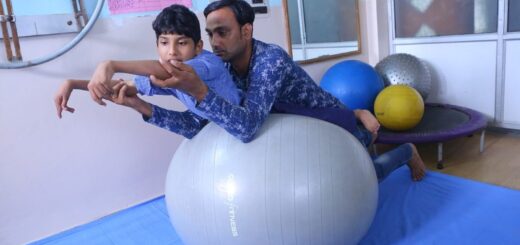
Massage Therapy: What It Is, What the Evidence Supports and How to Find Good Care in the UAE
Massage therapy is the hands-on manipulation of muscles and soft tissue by a trained practitioner to reduce tension, ease some kinds of pain and help people relax. It ranges from relaxation massage in a spa to targeted clinical work alongside physiotherapy. Research supports short-term benefits for stress, anxiety and some types of back, neck and muscle pain, usually as part of a wider plan rather than a cure on its own.
Wellness massage and clinical massage
The same hands-on techniques are used in two quite different settings in the UAE.
| Main goal | Relaxation, general wellbeing | Specific problem, such as neck pain or post-injury stiffness |
|---|---|---|
| Setting | Spa, hotel, wellness centre, home service | Physiotherapy clinic, rehabilitation centre, sports clinic |
| Assessment | Short health form | Detailed history, movement tests |
| Who provides it | Trained massage therapists | Physiotherapists or therapists working under clinical oversight |
| Regulation | Licensed at emirate level as a wellness service | Health authority licensing (DHA, DOH or MOHAP) |
| Typical techniques | Swedish, aromatherapy, hot stone | Soft tissue release, trigger point work, deep tissue, lymphatic drainage |
Both have a place. If you have pain that limits daily life, start with a clinical assessment so the cause is identified.
How a session works
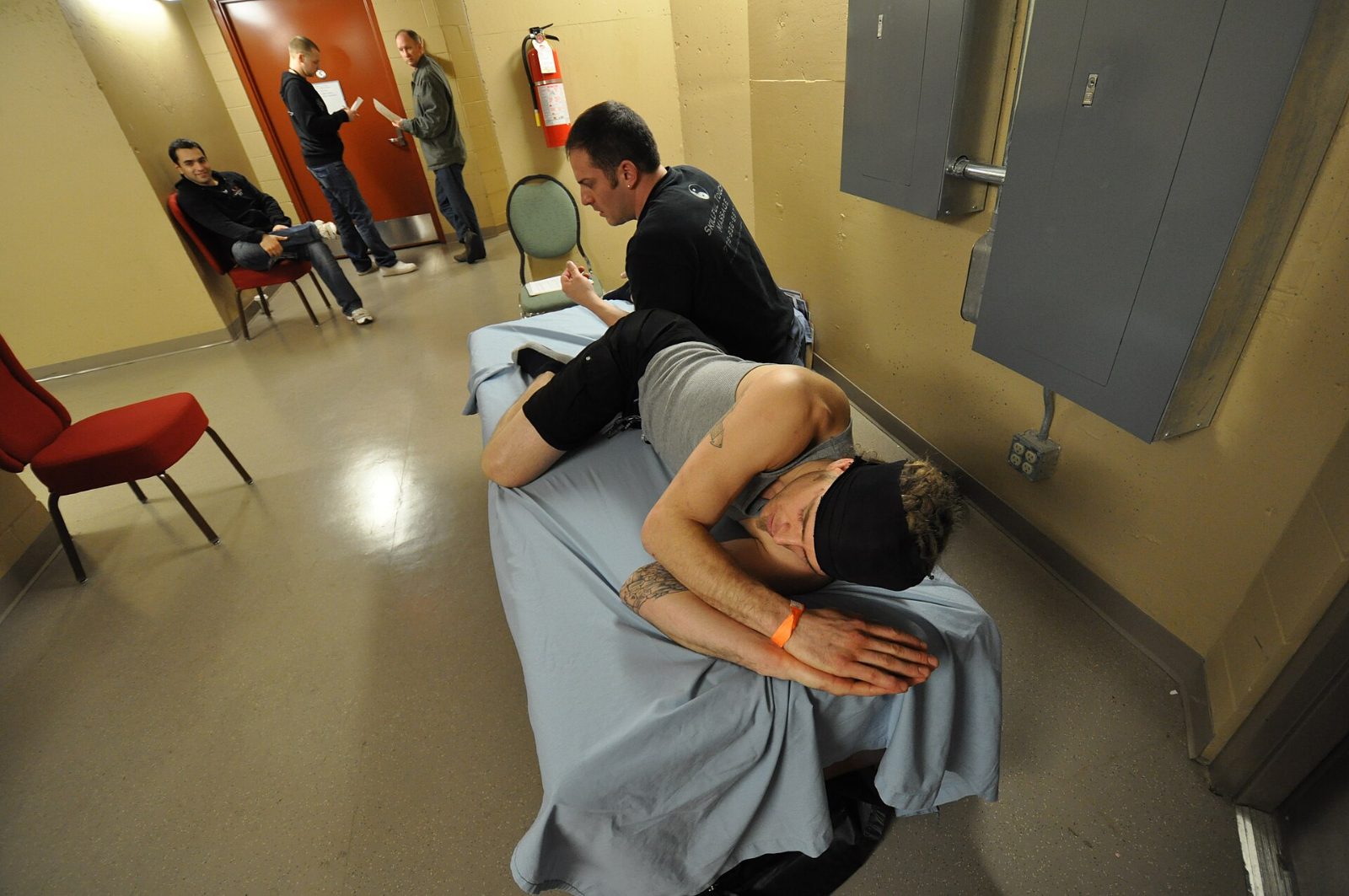
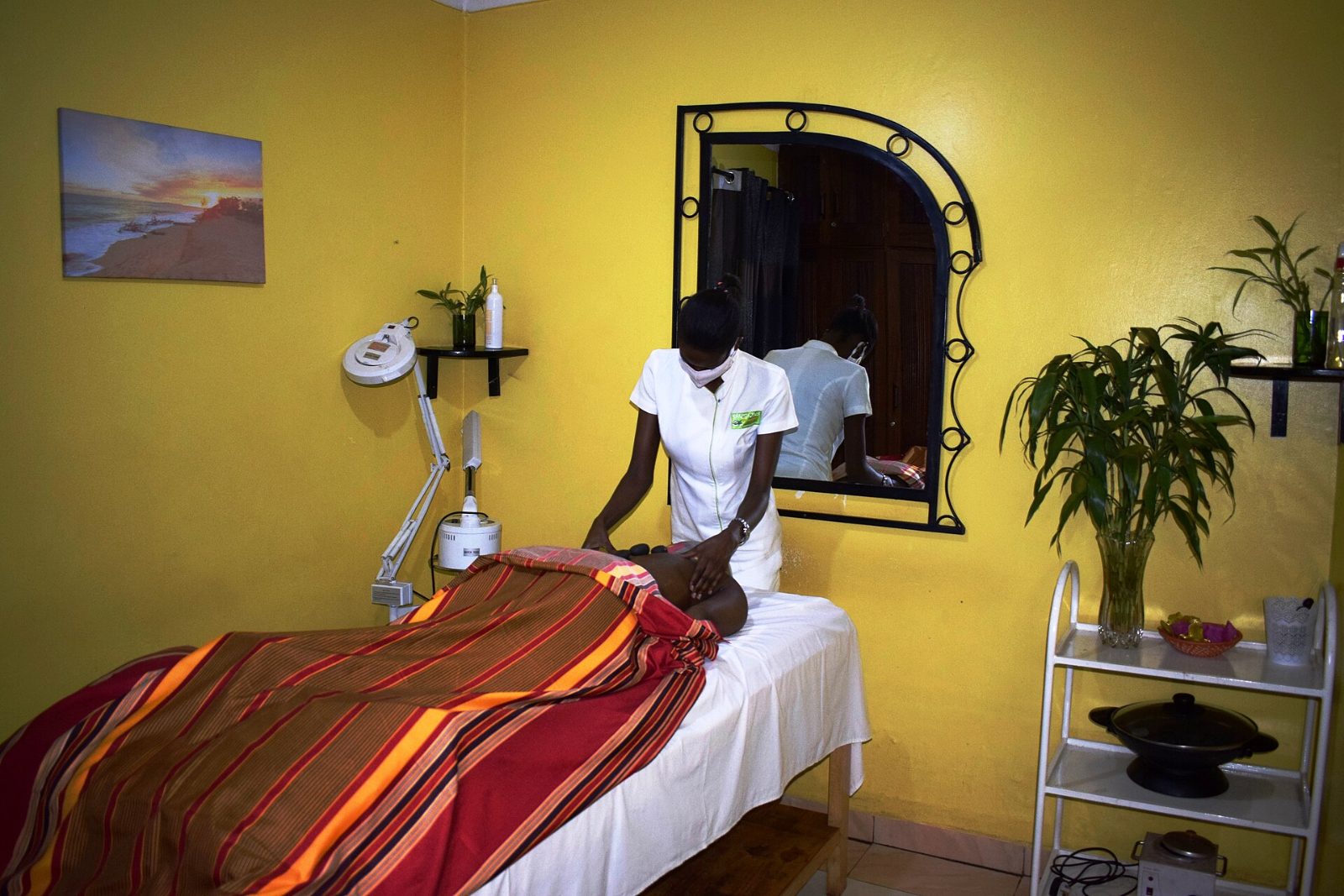
A first appointment begins with questions about your health, medication, injuries and what you want from the session. A good therapist explains what they plan to do and checks consent before working on sensitive areas. You undress to your comfort level and are covered by a sheet or towel, with only the area being worked on uncovered. Throughout the session you can ask for lighter or firmer pressure or for any area to be skipped. At the end, the therapist may suggest stretches, posture changes or a follow-up plan.
What the research supports
Massage is one of the more studied complementary therapies. Summaries from bodies such as the US National Center for Complementary and Integrative Health describe:
- Low back pain: massage may help in the short term; benefits tend to fade without other measures such as exercise.
- Neck and shoulder pain: some short-term relief in studies.
- Anxiety and stress: short-term reductions in anxiety are commonly reported.
- Cancer care: massage is used in many cancer centres to ease anxiety and discomfort, with oncology team approval.
- Sleep and mood: many people report better sleep, though evidence quality varies.
Many studies are small, and it is hard to run a true placebo comparison for hands-on therapy. The fair summary is that massage is generally safe, often helpful for comfort and relaxation, and best combined with movement and medical care for persistent problems.
Massage works best as part of a plan: it eases the moment, while exercise and treatment of the cause change the trend.
Common techniques you will hear about
- Swedish massage: long gliding strokes and kneading, light to medium pressure. See our Swedish massage guide.
- Deep tissue: slower, firmer pressure into deeper layers. See deep tissue massage.
- Sports massage: focused on muscles used in training, before or after events.
- Trigger point therapy: sustained pressure on tender knots in muscle.
- Myofascial release: slow stretching pressure on connective tissue.
- Manual lymphatic drainage: very light rhythmic strokes, used for some types of swelling under medical guidance.
Our massage styles comparison shows pressure, duration and typical uses side by side.
Safety: who should check first
Get medical advice before massage therapy if you have
- A history of deep vein thrombosis, a clotting disorder or take anticoagulants.
- Recent surgery, a fracture, or a cosmetic procedure in the area.
- Cancer, especially during active treatment.
- Severe osteoporosis.
- Uncontrolled high blood pressure or heart disease.
- Pregnancy, particularly with complications. Look for a prenatal-trained therapist.
- Fever, infection, or skin problems in the area to be massaged.
Mild soreness for a day or two after deeper work is common. Stop and seek medical help if you have severe pain, numbness or weakness that does not settle, a swollen and painful calf, or chest pain or breathlessness.
Getting more from each session
A few simple habits help any massage therapy session work better. Arrive a few minutes early so you are not rushed and tense on the table. Avoid a large meal in the hour or two before. Mention anything that has changed since your last visit, such as a new injury, medication or pregnancy. During the session, breathe slowly and let the therapist know if you notice yourself bracing against the pressure.
Afterwards, drink water, especially after time in the UAE heat, and get up slowly. Gentle movement such as a short walk later the same day often feels better than sitting still for hours. If your therapist gives you stretches or exercises, they are usually the part that makes the effect last. Our five-minute self-massage routine is an easy way to keep tension down between appointments.
Finding a qualified therapist in the UAE
What to check
- Clinical massage: the clinic and practitioner should hold a licence from the DHA in Dubai, the DOH in Abu Dhabi, or MOHAP in other emirates. The DHA and DOH have public search tools for licensed professionals.
- Spa massage: the venue should hold a valid licence for wellness services in its emirate and list treatments clearly.
- Ask where the therapist trained and whether they have experience with your issue.
- A good therapist asks about your health before starting and respects your limits.
Health insurance in the UAE may cover physiotherapy that includes soft tissue work when referred by a doctor, but rarely covers spa massage. Check your policy terms with your insurer.
Frequently asked questions
How often should I have massage therapy?
It depends on the goal. For a specific problem, a therapist may suggest weekly sessions for a short period, then less often. For general wellbeing, many people book monthly. See how often to get a massage.
Is massage therapy painful?
It should not be more than mildly uncomfortable. Deep work can feel intense, but you should be able to breathe normally and relax. Tell the therapist if it hurts.
Can massage therapy replace physiotherapy?
For injuries and persistent pain, massage is usually one part of physiotherapy rather than a replacement. Exercise and treatment of the cause are important.
Do I need a doctor’s referral?
Not for spa massage. Some clinics and insurers require a referral for clinical treatment.
Sources: National Center for Complementary and Integrative Health, Dubai Health Authority, Department of Health Abu Dhabi
Cover photo: Kolobetsoo, CC BY-SA 4.0. Last reviewed: 2026-11-25. General information only, not medical advice. Please consult a licensed practitioner in the UAE about your own situation.