Back Massager Types Compared: Cushions, Shiatsu Pads, Guns and Hand Tools
A back massager is any device that helps you work the muscles of your back without a therapist, from electric shiatsu cushions and seat pads to massage guns, vibrating belts and simple manual hooks. The right one depends on where your tension sits, whether you can reach the area yourself, and how much pressure you like. None of them should be used to push through pain that might signal an injury.
The main types of back massager
| Type | How it works | Best for | Watch out for |
|---|---|---|---|
| Shiatsu cushion or seat pad | Rotating nodes inside a cushion, often with heat | Upper and lower back while seated | Fixed node positions may not match your spine |
| Massage gun | Rapid percussion from a handheld head | Large muscles like lats and glutes | Hard to reach your own mid-back; not for the spine |
| Vibrating belt or wrap | Vibration and sometimes heat around the lower back | Gentle relaxation | Mild effect for deeper tension |
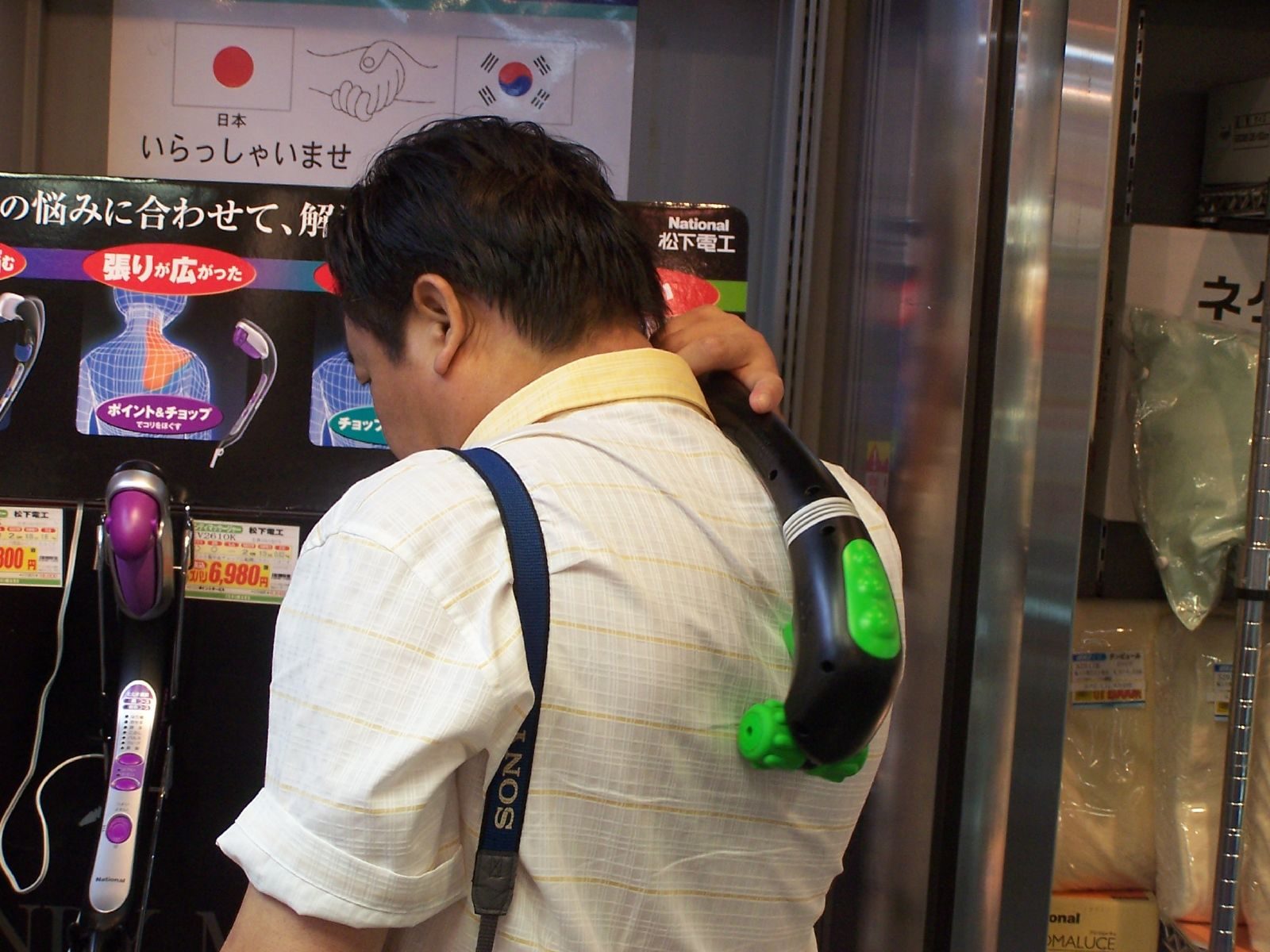
| Manual hook or cane | You lever pressure into a spot | Knots between shoulder blades | Easy to press too hard |
| Massage ball or foam roller | Your bodyweight presses on the tool | Mid and upper back, glutes | Avoid rolling directly on the lower spine |
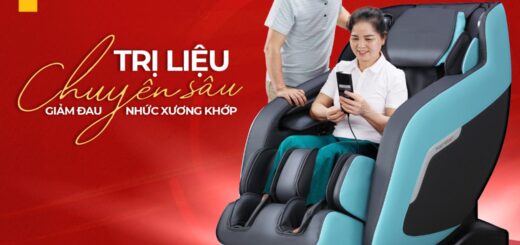
| Full massage chair | Rollers and airbags in a recliner | Whole-body routine | Size and cost |
Matching the tool to your tension
Between the shoulder blades. This is the area most people cannot reach. A manual hook, a massage ball against a wall, or a seat cushion with upper-back nodes tends to work best. A massage gun is awkward here unless someone else holds it.
Upper back and neck base. Shiatsu cushions with adjustable height and neck-and-shoulder wraps are popular. Keep pressure gentle near the neck and avoid the front and sides of the neck completely.
Lower back. Many people with lower back ache prefer gentle heat and broad pressure rather than intense percussion. A seat pad or heat wrap is often more comfortable than direct pressure on the lumbar area. Work the glutes and hips too, since tightness there often contributes to lower back discomfort.
After the gym. For large muscles like the lats and glutes, a massage gun on a low setting for a short time can feel good. Keep it moving and off bones.
Features worth paying for
- Adjustable intensity and speed. You will want gentler settings more often than you expect.
- Height adjustment on cushions so nodes line up with your back rather than your spine or shoulder blades.
- Auto shut-off after a set time, which protects you and the device.
- Heat with a separate switch, so you can use rollers without heat in summer.
- Removable, washable covers, useful in hot weather.
- A plug or battery that suits how you use it, for example a car adapter if you plan to use a seat pad on long drives. Never use a device in a way that distracts you while driving.
Simple rules for safe use
- Start on the lowest setting for a few minutes and build up.
- Keep sessions short; many manufacturers suggest around 15 minutes per area.
- Never apply pressure directly on the spine, kidneys area, or any bony point.
- Do not fall asleep with a heated device running.
- Stop if you feel sharp pain, tingling or numbness.
Buying sensibly in the UAE
Back massagers are sold everywhere, from pharmacies and electronics chains to online marketplaces. A few checks help you avoid disappointment:
- Buy from a seller who offers a local warranty and a clear returns process, so you are not stuck with a faulty unit.
- Check the plug and voltage. Devices sold for the local market should come with a suitable plug. Avoid cheap adapters for heated devices.
- Read the user manual before first use, especially the sections on time limits, heat and who should not use the device.
- Be wary of medical claims. A massager marketed as curing sciatica, slipped discs or arthritis is overselling. Comfort and relaxation are realistic goals.
- Think about noise and size if you will use it in an office, shared flat or while others sleep.
Prices vary widely by type and brand, and a more expensive model is not automatically better for your back. Fit, adjustability and how often you will actually use it matter most.
Who should check with a doctor first
Get medical advice before using a back massager if you
- are pregnant, especially for lower back and abdominal areas
- have a pacemaker or implanted device (check the manufacturer guidance)
- have osteoporosis, a recent fracture, or spinal surgery
- have a herniated disc diagnosis or nerve pain going into the leg
- have reduced sensation from diabetes or another condition, since heat and pressure injuries can go unnoticed
- take blood thinners or have a clotting disorder
- have skin problems, wounds or recent procedures on the back
When back pain needs more than a massager
Most everyday back aches settle with time, movement and simple self-care. Some symptoms are different and need prompt medical attention:
Seek urgent care for back pain with
- Numbness around the genitals or buttocks, or new problems controlling the bladder or bowel
- Weakness or numbness in both legs, or rapidly worsening leg weakness
- Fever, unexplained weight loss, or a history of cancer
- Pain after a significant fall or accident
- Severe pain that is constant and does not change with position
If pain lasts more than a few weeks, keeps returning, or spreads down a leg, see a doctor or licensed physiotherapist. A device can help you relax, but it cannot diagnose what is happening.
Making a back massager part of a routine
Devices work best alongside movement rather than as a replacement for it. A short walk, regular breaks from sitting and gentle stretches do a lot for back comfort. Long hours seated, whether at a desk or in traffic between Sharjah and Dubai, are a common driver of stiffness. Pair a brief session on a cushion or ball with our five-minute self-massage routine for a quick reset.
If you would rather book professional help, our massage styles comparison explains which hands-on styles focus on deeper back work.
A back massager eases tension. Movement and good habits stop it from coming back as quickly.
Looking after the device
Wipe covers after each use, especially in summer when sweat builds up, and let the device cool before storing it. Keep it out of direct sun in a parked car, since high cabin temperatures can damage batteries and plastics. For cordless devices, use the supplied charger and stop using any unit with a swollen battery, frayed cable or burning smell.
Frequently asked questions
Is it safe to use a back massager every day?
For most healthy adults, short daily sessions on a gentle setting are fine. Follow the manufacturer’s time limits and stop if anything hurts.
Can a massage gun help lower back pain?
It may ease tight muscles around the lower back, but avoid the spine itself and keep the intensity low. Persistent pain needs assessment.
Should I use heat or no heat?
Heat often feels soothing for stiffness. Skip it on a fresh injury, swelling or numb skin, and on hot days if it makes you uncomfortable.
Which back massager is best for knots between the shoulder blades?
A manual hook or a massage ball against a wall usually reaches that area best.
Sources: NHS, Mayo Clinic, American College of Physicians
Cover photo: BrokenSegue, CC BY-SA 4.0. Last reviewed: 2026-11-25. General information only, not medical advice. Please consult a licensed practitioner in the UAE about your own situation.