Massage for Men: Styles, Etiquette and Booking in the UAE
Massage for men is not a separate technique but the same professional styles, such as sports, deep tissue, Swedish and Thai massage, chosen to fit what many men book for: tight shoulders and lower back from desk work, recovery after training, or simply switching off. In the UAE, licensed spas and wellness centres offer these with clear menus, professional draping and, in many venues, a choice of therapist.
Why men book massages
The most common reasons are practical:
- Desk and driving posture. Long hours at a laptop or in traffic tighten the neck, upper back and hip flexors.
- Training recovery. Gym, padel, football, running and cycling all load specific muscle groups.
- Stress. Many men use a massage as one of the few hours a week without a phone.
- Travel. Long-haul flights leave the back, legs and neck stiff.
- Physical work. Lifting and standing jobs strain the lower back, legs and feet.
Choosing a style
| Style | Pressure | Best for | Notes |
|---|---|---|---|
| Sports massage | Medium to firm | Before or after training, specific tight muscles | Often includes stretching |
| Deep tissue | Firm, slow | Persistent tightness in back, neck, shoulders | Can be uncomfortable; communicate |
| Swedish | Light to medium | General relaxation, first-time clients | Long, flowing strokes |
| Thai | Medium to firm | Flexibility, hips and hamstrings | Clothed, on a mat, with stretches |
| Hot stone | Medium | Relaxation, cold-sensitive muscles | Heat may be too much in summer |
| Back, neck and shoulder | Variable | Short lunch-break sessions | Usually 30 to 45 minutes |
If you are unsure, our massage styles comparison lays out each option, and the therapist can adjust pressure as you go.
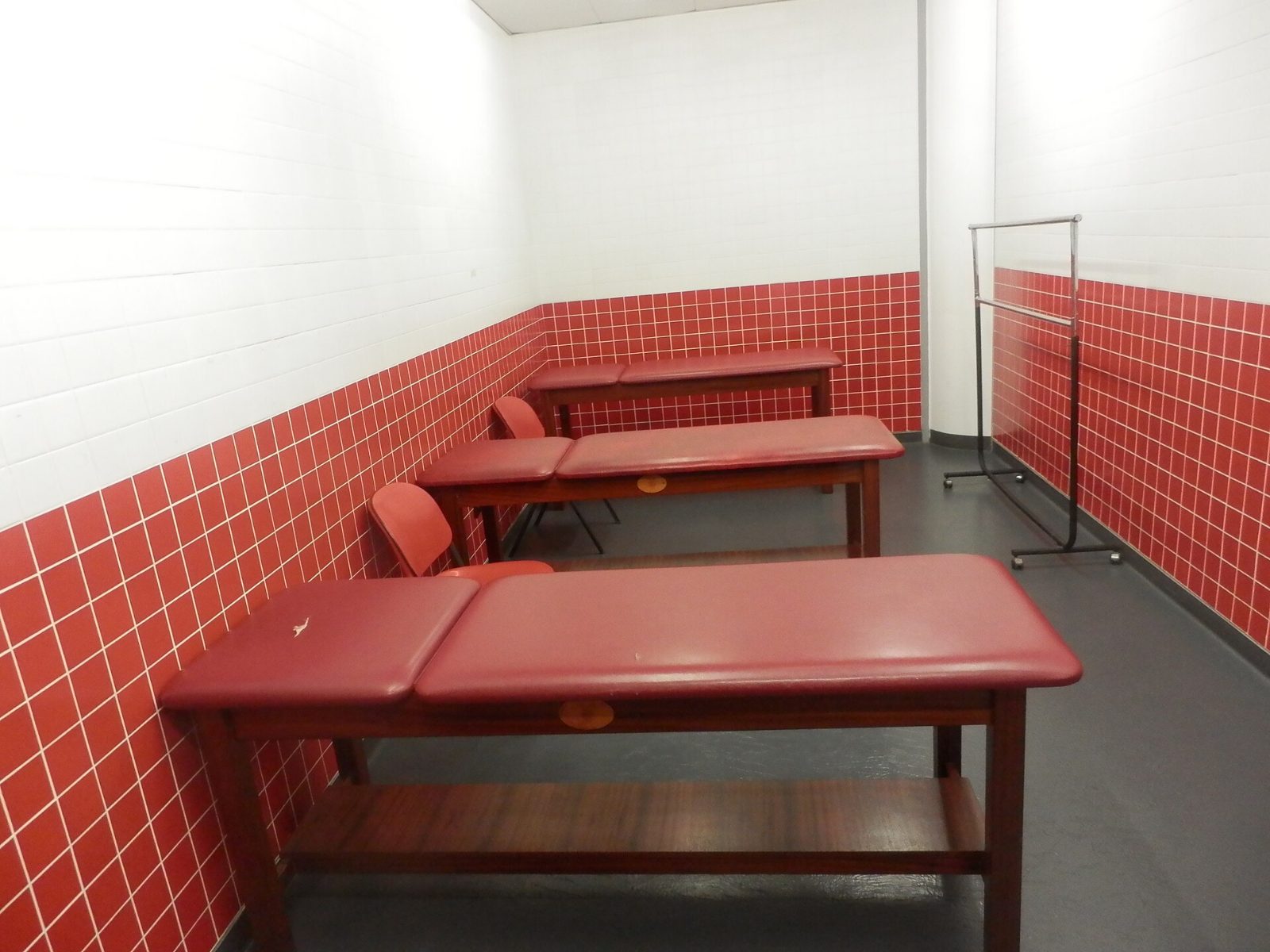
Firmer is not always better. The right pressure is the firmest one you can relax into, not the one you have to tense against.
What to expect in a session
You will usually fill in a short health form, then the therapist explains what will happen and leaves the room while you undress to your comfort level, commonly to underwear, and lie under a sheet or towel. Only the area being worked on is uncovered. Professional therapists keep draping secure throughout. You can ask for any area to be skipped, and you can keep clothing on if you prefer, especially for Thai or chair massage.
Communication is part of a good massage:
- Say where you feel tight and what you want from the session
- Mention old injuries, recent surgery and medical conditions
- Ask for more or less pressure at any time
- Tell the therapist if a position is uncomfortable
Massage and training
Many active men use massage around training. A few principles apply:
- Before events, a short, lighter sports massage can help you feel loose; avoid deep work the day before a competition.
- After hard sessions, wait until acute soreness has settled a little before deep work.
- Hydrate before and after, especially in the UAE heat.
- Do not use massage to mask an injury. Sharp, localised pain, swelling or pain that changes how you move needs assessment by a physiotherapist or sports doctor.
Getting more from your massage
- Book 60 or 90 minutes if you want both relaxation and focused work
- Arrive a few minutes early and switch your phone to silent
- Avoid a heavy meal or alcohol before the session
- Do gentle stretches that evening; our self-massage routine works between appointments
Who should check with a doctor first
Speak to a doctor before booking firm massage if you have
- A recent injury, fracture, muscle tear or surgery
- A history of blood clots, or a swollen, painful calf
- Heart disease or uncontrolled high blood pressure
- Blood thinners, which increase bruising
- Back pain with numbness, weakness, or loss of bladder or bowel control (seek urgent care)
- Skin infections, rashes or open wounds
Stop a massage and seek medical help if you feel chest pain, sudden breathlessness, dizziness or new numbness. Mild soreness for a day or two after deep tissue work can be normal; bruising or pain that keeps increasing is not.
Booking in the UAE
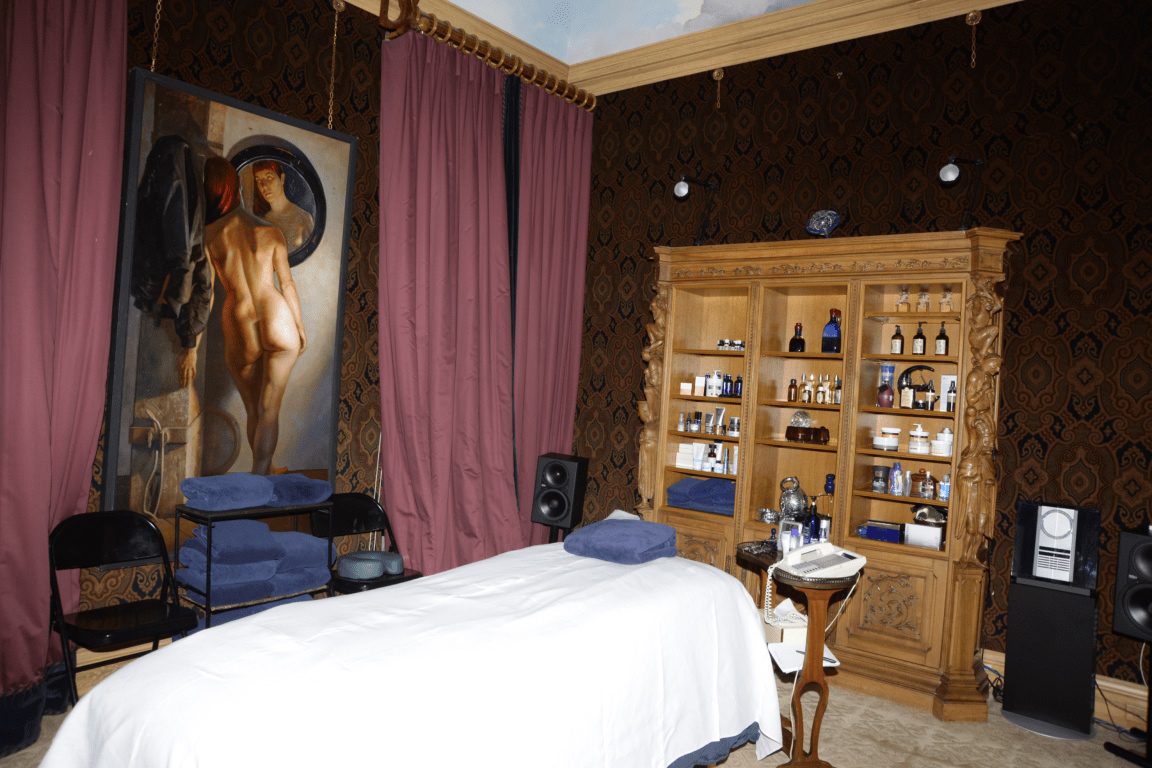
The UAE has a wide choice, from hotel spas and gym recovery studios to neighbourhood massage centres and home-visit services.
- Licensed venues only. Book through businesses with a visible trade licence, a proper website and clear menus. UAE authorities have warned the public about massage advertisements spread on business cards and social media that lead to scams, so avoid unsolicited offers.
- Therapist preference. Many venues let you choose a male or female therapist; ask when booking.
- Medical massage. For injuries or chronic pain, a physiotherapist licensed by the DHA, DOH or MOHAP is the right professional.
- Prices. These vary widely by venue, style and length, so compare current menus.
For massage at home, see our guide to booking a home massage service safely.
How often should men get a massage?
There is no medical rule. Some men book weekly during heavy training blocks, others monthly for stress or posture, and others only occasionally. Your budget, your training load and how you feel afterwards are reasonable guides. If you need a massage every few days just to function, that is a sign to see a physiotherapist about the underlying problem.
Frequently asked questions
What should men wear for a massage?
Most men undress to their underwear and are covered with a sheet. Some spas provide disposable underwear. For Thai or chair massage you stay dressed in loose clothing.
Is deep tissue massage better for men?
Not necessarily. Deep tissue suits persistent tightness, but many people relax and recover better with medium pressure. Choose based on what you need, not on gender.
Can massage help with back pain?
Massage may ease muscle-related back pain in the short term. Back pain with leg symptoms, numbness, fever or after a fall needs medical assessment first.
Should I tip after a massage in the UAE?
Tipping is appreciated but not mandatory. Some venues include a service charge, so check your bill.
Sources: NCCIH: Massage Therapy, NHS: Back pain, Dubai Health Authority
Last reviewed: 2026-11-25. General information only, not medical advice. Please consult a licensed practitioner in the UAE about your own situation.