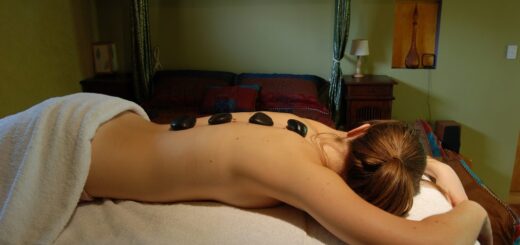
Ayurvedic Massage: Abhyanga, Shirodhara and What to Expect
Ayurvedic massage is a family of oil-based treatments from India’s traditional Ayurveda system, the best known being abhyanga, a full-body massage with generous amounts of warm herbal oil. Other treatments include shirodhara, where warm oil is poured in a steady stream across the forehead, and kizhi, which uses warm pouches of herbs. In the UAE these are offered by specialist Ayurveda centres, many with Kerala-trained therapists, as well as by hotel spas.
The ideas behind Ayurvedic massage
Ayurveda is a traditional medical system that developed in India over thousands of years. It describes health in terms of three doshas, called vata, pitta and kapha, and practitioners choose oils, herbs and techniques to “balance” them. These concepts are part of the tradition and are not recognised by modern biomedical science, but the treatments themselves can be deeply relaxing, and many people value them for that reason.
Ayurvedic massage differs from a typical Western spa massage in several ways:
- Oil is used generously, often warmed and sometimes infused with herbs
- Strokes are rhythmic and may be done by one or two therapists in synchrony
- Treatments are often part of a sequence over several days rather than a one-off
- Steam, herbal pouches or powders may be included
Common Ayurvedic treatments
| Treatment | What happens | Feels like |
|---|---|---|
| Abhyanga | Full-body massage with warm oil, often by two therapists | Flowing, warm, very relaxing |
| Shirodhara | Warm oil poured slowly and continuously over the forehead | Deep calm; some people drift off |
| Kizhi (potli) | Warm cloth pouches of herbs, rice or powder pressed and rubbed over the body | Heat, gentle pressure, aromatic |
| Udvartana | Massage with herbal powder rather than oil, using upward strokes | Brisk, exfoliating |
| Padabhyanga | Foot massage with oil | Grounding, soothing |
| Shiro abhyanga (head massage) | Oil massage of the scalp, neck and shoulders | Releasing, warm |
Many centres combine several of these in packages, sometimes over a week or more. For a broader overview of how Ayurvedic massage compares with Swedish, deep tissue or Thai styles, see our massage styles comparison.
What to expect in a session
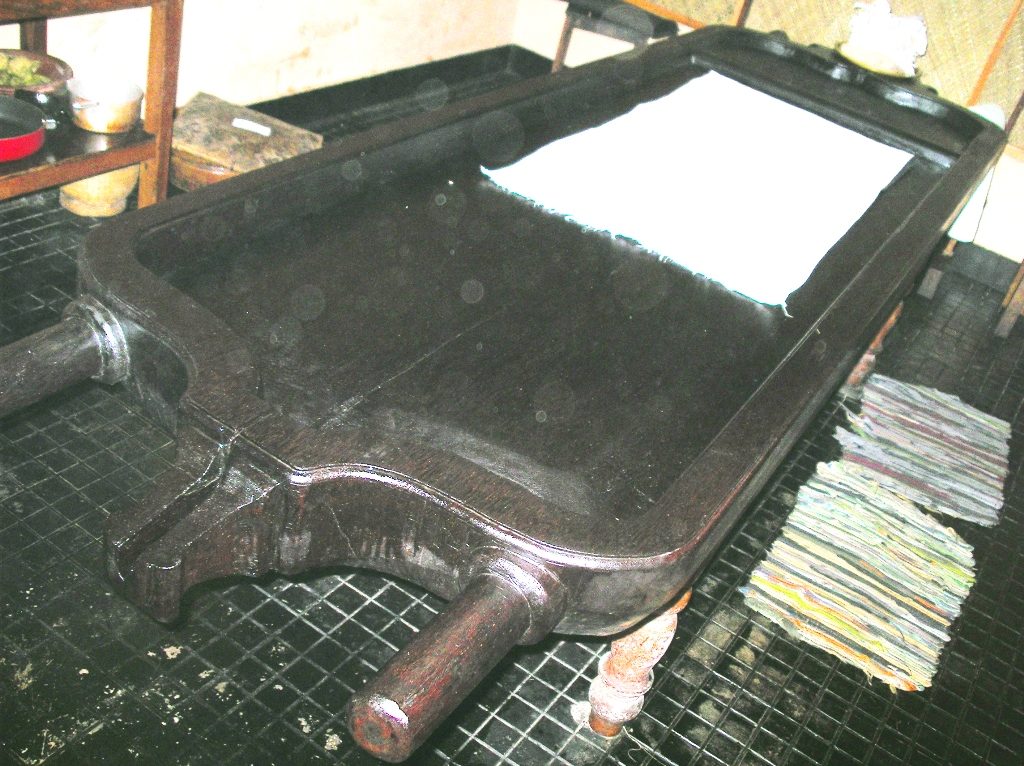
You will usually start with a short consultation, sometimes with a practitioner who asks about your health, sleep, digestion and stress, and suggests oils and treatments. You then undress, typically to disposable underwear, and lie on a wooden or padded table. Expect a lot of oil: your hair and skin will be thoroughly coated. Many centres finish with a steam session and a shower, or advise you to leave the oil on for a while before washing.
Plan your day around an Ayurvedic treatment. With oil in your hair and a relaxed body, you will not want to rush straight back to the office.
Before your first Ayurvedic massage
- Bring a hair tie and old clothes, or a hat, as oil lingers in hair
- Avoid a heavy meal for an hour or two beforehand
- Tell the therapist about allergies, especially to nuts, sesame or specific herbs
- Ask what oils are used and request a patch test if your skin is sensitive
- Leave time for a shower afterwards
Possible benefits, honestly
The best-supported benefit of Ayurvedic massage, like massage in general, is short-term relaxation and relief of muscle tension. Many people also enjoy the ritual, warmth and attention involved. Claims that it detoxifies the body, balances hormones or treats specific diseases are not supported by strong scientific evidence. If a centre suggests massage can replace treatment for a medical condition, treat that as a warning sign.
Safety: who should be careful
Check with your doctor first, or avoid, if you
- Are pregnant: some oils, herbs and abdominal techniques may not be suitable, so choose a therapist trained in pregnancy care
- Have skin conditions, open wounds, rashes or infections
- Have allergies to nuts, seeds or herbs used in oils
- Have uncontrolled high blood pressure, heart disease, fever or a recent illness
- Have a history of blood clots or very recent surgery
- Have had a recent head injury, or experience migraines triggered by heat, before shirodhara
Be careful with slippery floors after oil treatments, especially for older adults. Stop the session if you feel dizzy, faint or unwell, particularly during steam or hot treatments.
A note on herbal medicines
Some Ayurveda centres also sell herbal remedies to take by mouth. Studies have found that some imported Ayurvedic products contain heavy metals such as lead or mercury. Do not take herbal medicines by mouth without discussing them with your doctor, particularly if you are pregnant, breastfeeding or take other medicines.
Ayurvedic massage in the UAE
The UAE has a long-standing connection with Kerala and the wider Indian subcontinent, and Ayurveda centres are found across Dubai, Abu Dhabi, Sharjah and the northern emirates. Health authorities in the UAE license traditional, complementary and alternative medicine practitioners, including Ayurvedic practitioners, so it is reasonable to ask whether the centre’s practitioners are licensed.
Practical points:
- Licensing. Ask whether the practitioner who recommends treatments holds a licence from the DHA, DOH or MOHAP, and whether the facility is licensed.
- Packages. Multi-day packages are common. Make sure you understand what each day includes and that you can stop at any time.
- Heat. Warm oils and steam can be a lot in summer. Drink water and cool down gradually afterwards.
- Prices. These vary widely between small centres and hotel spas, so compare current menus.
Frequently asked questions
What oil is used in Ayurvedic massage?
Sesame and coconut oil are common bases, often infused with herbs chosen by the practitioner. Ask for the ingredients if you have allergies or sensitive skin.
Should I shower after Ayurvedic massage?
Many centres suggest leaving the oil on for a short while before showering with warm water. Follow your therapist’s advice, and take care on wet floors.
Is Ayurvedic massage good for back pain?
It may ease muscle tension and help you relax, but persistent back pain should be assessed by a doctor or physiotherapist first.
How is Ayurvedic massage different from Kerala massage?
Kerala-style massage usually refers to Ayurvedic treatments as practised in Kerala, a region in India well known for Ayurveda. The terms are often used interchangeably on spa menus.
Sources: NCCIH: Ayurvedic Medicine, NCCIH: Massage Therapy, Dubai Health Authority
Cover photo: Ch-info.ch, CC BY-SA 3.0. Last reviewed: 2026-11-25. General information only, not medical advice. Please consult a licensed practitioner in the UAE about your own situation.